Welcome to this year’s Oscar Predictions for 2024! As always, I’ve endeavored to watch each film in every category. However, as I write this, there are still a few I’ve yet to see: Anatomy of a Fall, which I fully intend to catch before the ceremony; Four Daughters, which unfortunately may not be accessible before the Oscars anywhere; Godzilla Minus One, a film I regrettably missed in theaters and refuse to watch via a low-quality cam rip; and To Kill A Tiger, which is set to premiere on Netflix on the day of the Oscars. Additionally, several shorts such as Nai Nai and Wai Po, Ninety Five Senses, Our Uniform, The ABCs of Book Banning, and War Is Over have managed to evade my rather extensive efforts to watch them. However, despite these challenges, I’ve formed my opinions based on the 43 films—both shorts and features—that I’ve managed to watch.
Without further ado, let’s dive into the categories.
ACTOR IN A LEADING ROLE

Honestly, I don’t see much competition in this category. Cillian Murphy‘s transformation into Oppenheimer was so powerful that even though Paul Giamatti‘s portrayal of Paul Hunham in The Holdovers may have had more heart, Murphy is likely to win over the Nolan fanboys and the more “serious” Oscar Academy members—and rightfully so. His performance was, if anything, larger than life, leaving other contenders like the self-indulgent Bradley Cooper as Leonard Bernstein or the kind and friendly Jeffrey Wright as Thelonius “Monk” Ellison, who morphed into the streetwise badass writer Stagg R. Leigh, far behind.
ACTOR IN A SUPPORTING ROLE

I distinctly recall exiting Huhtamo church after enduring the three-hour runtime of Oppenheimer, seated on hard stone benches in the middle aisle, and being most surprised by Robert Downey Jr.‘s performance. His portrayal of Lewis Strauss was perhaps the furthest departure from the actual character one could imagine—the casting choice was undeniably unconventional. However, Downey Jr. managed to pull it off admirably, delivering a fine performance. I would be genuinely astonished if anyone else were to receive the award. Mark Ruffalo in Poor Things came off as a whiny character with no depth, while Ryan Gosling in Barbie was intentionally one-dimensional, though effective in his role. As for Robert De Niro, he seemed to be merely reprising his typical Robert De Niro persona, lacking any significant layers or complexity. The only potential challenger I could envision for RDJ is Sterling K. Brown, who delivered an excellent performance as the brother in American Fiction. However, even that scenario seems highly improbable in the grand scheme of things.
ACTRESS IN A LEADING ROLE

Lily Gladstone‘s portrayal of Mollie Burkhart in Killers of the Flower Moon marks the first significant “political” Oscar contender in this year’s competition. As a Native American actress, she emerged somewhat unexpectedly alongside Leonardo DiCaprio in the film. Her performance was executed with subtlety, touching authenticity, and a genuine heartfelt quality that made it unforgettable and irreplaceable.
However, there will undoubtedly be individuals who argue that when Gladstone eventually receives the Oscar, it will be perceived as politically motivated. Some may contend that Emma Stone, for her role as Bella Baxter in Poor Things, deserved the award instead. Yet, I disagree. While Stone is undoubtedly a phenomenal actress, and Poor Things is a commendable film from a uniquely talented director, her performance failed to truly draw me into the character’s heart; instead, it left me admiring her from a distance.
Then, there’s Sandra Hüller. If you’re in need of a foreign Oscar star, Sandra is the one to call. From Toni Erdmann to The Zone of Interest, her rigid posture and tightly restrained emotions have carried numerous films, undoubtedly deserving of Oscar recognition. However, as I write this, I have yet to see Anatomy of a Fall. Realistically, though, this is an American film award ceremony, and the likelihood of an Actress Oscar going to a German actress, unless they’re portraying a Nazi, is slim. Unfortunately, despite her deserving performances, her chances are relatively low.
As for Annette Bening, her presence in the lineup is perplexing. Nyad was a solid film, but Bening’s contribution did not particularly stand out. Similarly, Carey Mulligan‘s portrayal of Felicia Montealegre seemed to come and go, overshadowed—perhaps intentionally—by Bradley Cooper’s multifaceted involvement in Maestro, where he directed, wrote, produced, and starred.
ACTRESS IN A SUPPORTING ROLE
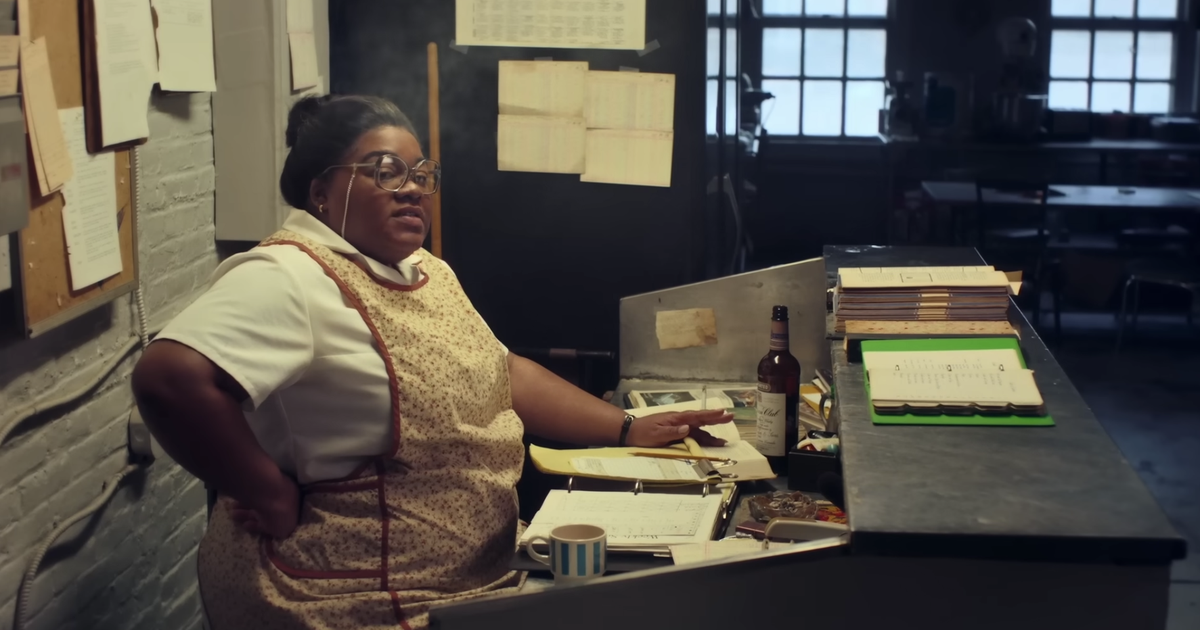
Predicting the winner in this category is considerably more challenging. Emily Blunt‘s portrayal of Kitty Oppenheimer in Oppenheimer fell short of delivering the powerful performance one might have expected, or perhaps more accurately, her character wasn’t written with the strength it deserved, leaving the field wide open for a fierce battle.
Though I thoroughly enjoyed Nyad, and believe Jodie Foster delivered a phenomenal performance, I believe the Oscar—and rightly so—will go to Da’Vine Joy Randolph. Her portrayal as the beating heart and moral compass in the endearing The Holdovers was simply exceptional.
ANIMATED FEATURE

Gone are the days when Pixar dominated this category, and I must say, I do miss those times. Nowadays, while Pixar consistently submits entries, their impact isn’t quite what it used to be. When I reflect on masterpieces like Wall-E, Up!, or Ratatouille, it’s evident that Pixar needs to find it’s way again.
This year’s Pixar entry, Elemental, directed by Peter Sohn, felt disappointingly bland and formulaic, catering to what Hollywood perceives as the preferences of today’s youth. However, amidst this mediocrity, we were fortunate to witness some exceptional films. The Boy and the Heron, though not on par with Studio Ghibli’s or Hayao Miyazaki‘s greatest works, was a captivating and visually stunning film. Similarly, Robot Dreams, directed by Pablo Berger, captivated audiences with its dialogue-free narrative and vibrant animation.
Representing the teenage experience this year is Nimona, directed by Nick Bruno and Troy Quane. Originating as a webcomic, it overcame numerous challenges to make its way onto the big screen. However, the undeniable winner this year is Spider-Man: Across The Spider-Verse, helmed by the trio of Joaquim Dos Santos, Kent Powers, and Justin K. Thompson. This film dazzled audiences with its vibrant color palette and innovative animation techniques.
Despite its visual brilliance, Spider-Man: Across The Spider-Verse falls short in its narrative, merely wrapping up the multiverse trope that has saturated both art and studio films in recent years. Whoever conceived the concept of the multiverse should perhaps acquaint themselves with basic quantum theories and quantum immortality before attempting to explore such complex concepts in film. Nonetheless, the public’s appetite for multiverse narratives seems insatiable, but hopefully, it’s a trend that will fade into obscurity sooner rather than later.
CINEMATOGRAPHY
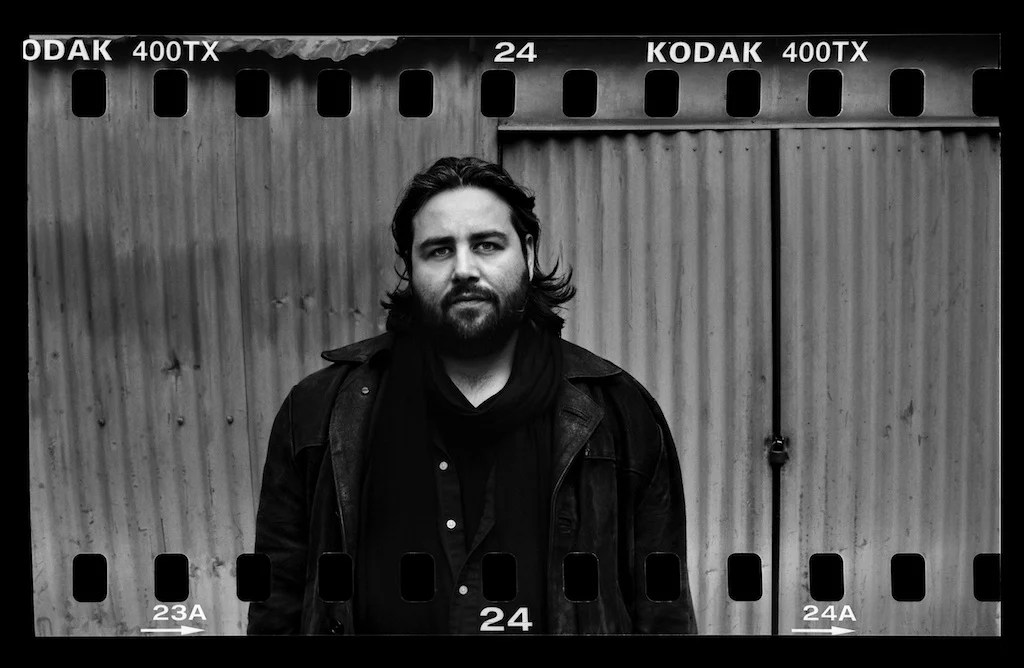
If you’re vying for a cinematography Oscar, it seems that black and white is still the winning formula. This age-old truth persists and is likely to hold true at this year’s Oscars as well. With all due respect to Hoyte van Hoytema, who undoubtedly deserves of the award for his work on Oppenheimer, some may argue that Robbie Ryan should be the recipient instead, considering his exceptional work on Poor Things. However, Ryan’s approach, though impressive, may be deemed too gimmicky to endure the test of time.
As for the other nominees, they face an uphill battle. Matthew Libatique‘s work in the nearly artful Maestro, Rodrigo Prieto‘s steadfast cinematography in Killers of the Flower Moon, and Edward Lachman’s joyful decisions in El Conde all deserve recognition in their own right. However, Van Hoytema’s overdue Oscar win is a foregone conclusion. His tragic snub for not even receiving a nomination for Interstellar will undoubtedly be rectified with this year’s victory.
COSTUME DESIGN

Jaqueline Durran‘s work on Barbie emerges as a strong contender for the award in this category. However, the presence of Poor Things with its 11 Oscar nominations poses a significant challenge, particularly due to Holly Waddington‘s imaginative and captivating steampunk-inspired aesthetic, making it a fierce competitor against Barbie.
In any other year, I would have placed my bet on Janty Yates and Dave Crossman for Napoleon, given the historical dominance of period pieces in this category. However, the true competition now lies between Barbie and Poor Things. As for Ellen Mirojnick‘s work in Oppenheimer, it primarily features men in old suits, which may not be enough to secure a win. Similarly, Jacqueline West‘s costumes in Killers of the Flower Moon may have been meticulously researched but failed to leave a significant impact on cinema history.
DIRECTING
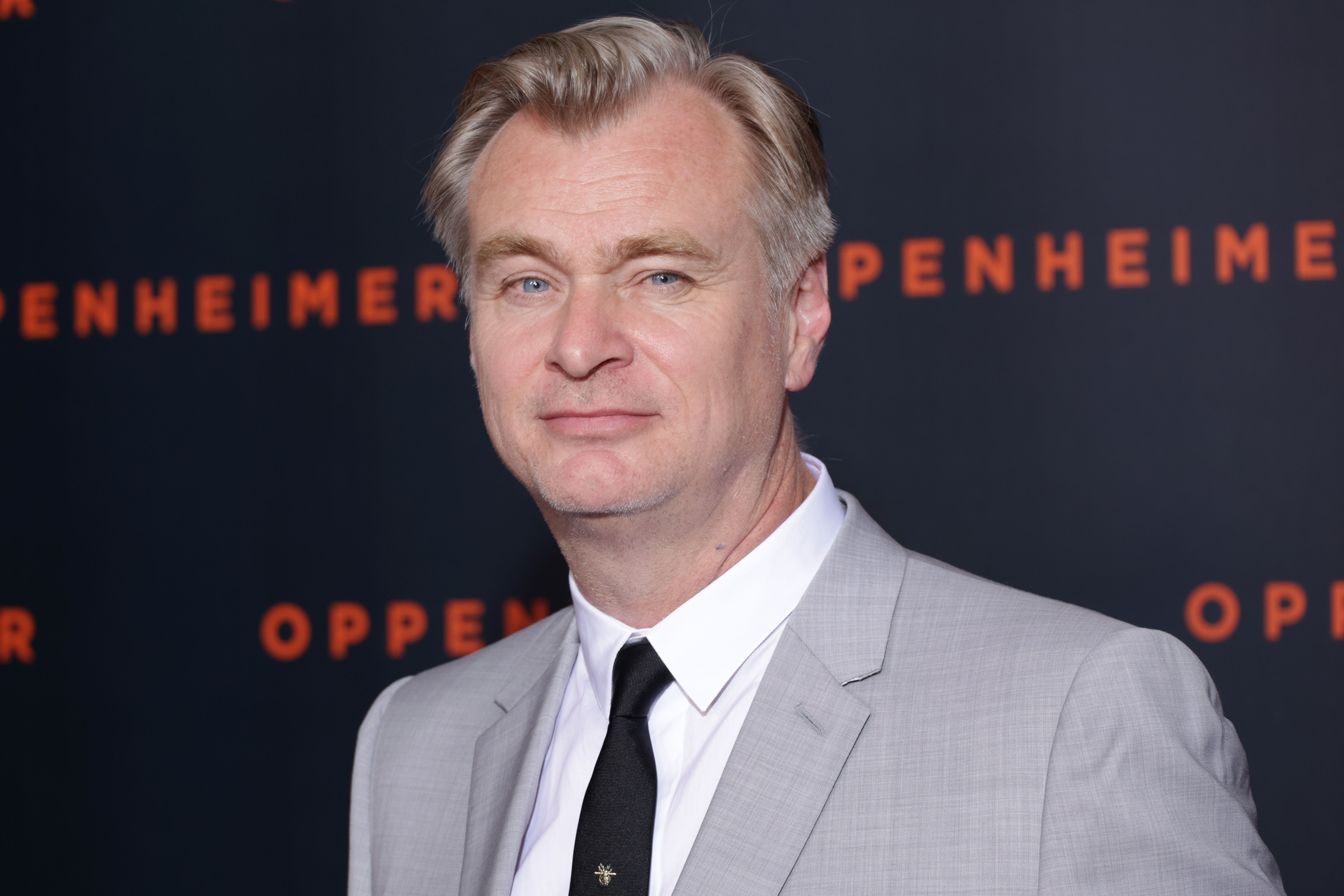
Christopher Nolan has long been deserving of an Oscar, and it seems that this year, there’s little doubt about who will walk away with the statue. Oppenheimer was a bold and intelligently directed film, making significant decisions that could have easily derailed the entire project. Yet, Nolan’s vision remained steadfast and unique throughout its substantial runtime, leaving audiences in awe and yearning for more. Rather than sticking strictly to the source material, Nolan opted to thrust IMAX cameras right into the face of Cillian Murphy, trusting that it would be enough—and indeed, it was.
While all contenders for the Best Director title are undoubtedly deserving, Yorgos Lanthimos‘s Poor Things showcased his trademark quirkiness and creativity, while Jonathan Glazer‘s Zone of Interest managed to approach the age-old Nazi theme from a fresh and unsettling perspective—a notable achievement in itself. And, of course, any film by Martin Scorsese merits attention, with Killers of the Flower Moon being hailed among his best – a hail I personally may not join.
DOCUMENTARY FEATURE FILM

The documentary category at the Oscars often becomes a platform for politically charged narratives, and this year is no exception, particularly so. While I have yet to see Kaouther Ben Hania‘s Four Daughters and Nisha Pahuja‘s To Kill A Tiger, I doubt they stand a chance against Mstyslav Chernov‘s 20 Days In Mariupol, reminiscent of the impactful Five Broken Cameras from 2011, directed by Emad Burnad and Guy Davidi.
Eternal Memory, directed by Maite Alberdi, offers a deeply personal exploration of the devastating effects of Alzheimer’s—a topic that often resonates strongly in the Oscars race. Additionally, Matteo Garrone‘s Io Capitano brings forth the African hero-story of Bobi Wine, providing a much-needed African perspective to Oscar stage, particularly poignant given the current global climate. The vibrant African landscapes and lively music portrayed in these films offer a refreshing contrast to the otherwise somber themes prevalent in this year’s Documentary Films and International Features category.
DOCUMENTARY SHORT FILM

It’s a perennial mystery why the rights holders of Oscar-nominated shorts seem to guard their treasures as if they’re safeguarding something of immense value that spoils upon viewing. Every year, as an Oscar completionist, the frustration of trying to track down and watch these shorts is palpable. They’re incredibly elusive and hard to come by.
This year’s Documentary Shorts carry a potent political edge. The Barber Of Little Rock, directed by John Hoffman and Christine Turner, delves into the issue of black inequality in America, while S. Leo Chiang‘s The Island In Between brings the Taiwan-China crisis to the forefront, possibly exposing many to the issue in a format beyond the typical cold news reporting.
Kris Bowers and Ben Proudfoot‘s The Last Repair Shop offers a poignant exploration of an instrument repair shop, celebrating community work and craftsmanship in an era dominated by digitalization and disposable culture. However, Nai Nai & Wài Pó, directed by Sean Wang, and the intriguingly titled The ABCs of Book Burning, directed by Sheila Nevins, Trish Adlesic, and Nazenet Habtezghi, remain closely guarded secrets, especially for those of us living outside the US streaming service catalogs. It’s baffling why distributors believe that people will suddenly flock to find and watch these shorts after the Oscars— the time is now, or perhaps never, and unfortunately, for some of these, it seems to be the latter.
FILM EDITING

Having been closely involved in the editing process of numerous feature films, I’ve come to appreciate the elusive and complex nature of the art of editing. It’s a cerebral process that requires a deep understanding of the film’s narrative, as well as the technical aspects of manipulating filmed footage to achieve the most impactful outcome. A skilled editor must possess a keen sense of rhythm and pacing, along with the capacity to delve deep into the material at hand.
Despite—or perhaps because of—these complexities, determining what constitutes good editing can be challenging. It’s a category that demands a nuanced understanding and experience of the editing process, as the impact of editing may not always be immediately evident.
While I haven’t yet seen Anatomy Of A Fall, which earned Laurent Sénéchal a nomination for editing, the competition seems decidedly uneven this year. Jennifer Lame‘s work on Oppenheimer undoubtedly stands out, masterfully navigating its three-hour runtime. The only contender that comes close is Poor Things, edited by Yorgos Mavropsaridis, but even then, I find it difficult to believe the challenge is truly comparable, as the film at times felt lacking in direction and cohesion.
INTERNATIONAL FEATURE FILM

Every year, the International Feature Film category presents the most intriguing competition, showcasing a diverse array of foreign films not made entirely in the USA. This year has been particularly eventful for international cinema, with even Finland eagerly anticipating a nomination for Aki Kaurismäki‘s Fallen Leaves. However, despite its merits, it ultimately did not make the cut. Looking at the current lineup, I can’t help but feel that it was indeed snubbed.
Undoubtedly, films like Jonathan Glazer‘s The Zone of Interest (UK), Wim Wenders’ Perfect Days (Japan), and J.A. Bayona‘s Society of the Snow (Spain) rightfully earned their places. However, one could argue whether Italy’s poignant survival story Io Capitano, directed by Matteo Garrone, or even Ilker Çatak‘s excellent reminder of why school, actuall, sucks, Teacher’s Lounge (Germany), couldn’t have made room for Fallen Leaves.
Speculation aside, the selection has been made, and each film in this category is undoubtedly worthy of recognition. While Io Capitano may raise questions, its exceptional craftsmanship and relevance in the midst of the refugee crisis make its inclusion well deserved.
Yet, in my view, The Zone of Interest stands as the undeniable frontrunner. Firstly, Nazi-themed films tend to dominate this category’s winners every year. Secondly, it offers a fresh and harrowing perspective on the subject matter, one that hasn’t been sufficiently explored. Lastly, it boasts superb acting and direction, with Sandra Hüller delivering a standout performance as Hedwig Höss, the wife of Rudof Höss, a key figure behind the Final Solution.
MAKEUP AND HAIRSTYLING

In today’s Oscars, the makeup category often revolves around aging makeup, while hairstyling tends to spotlight films set in baroque or Victorian eras—although this year, the latter seems oddly absent. One glaring omission is Napoleon, which I would have expected to receive a nomination. Undoubtedly, this snub must have been a bitter pill to swallow.
I can certainly understand why Maestro, designed by Kazu Hiro, Kay Georgiou, and Lori McCoy-Bell, received a nod. Even without Bradley Cooper’s “nosegate” controversy, the aging makeup they crafted was remarkably believable. Similarly, Poor Things, with makeup by Nadia Stacey, Mark Coulier, and John Weston, undoubtedly involved a grueling but likely enjoyable design process. And let’s not forget the gruesomely realistic work by Ana Lopéz-Puigcerver, David Martí, and Montse Ribé on Society of the Snow.
However, I fail to see what made Luisa Abel‘s designs for Oppenheimer or Karen Hartley-Thomas, Suzi Battersby, and Ashra Kelly-Blue‘s work on Golda worthy of nominations. Personally, I would have challenged either of them in favor of Napoleon or even Nyad. Nevertheless, it seems like Maestro might have a rare chance to snatch an Oscar this year, so that’s where my bet would lie.
MUSIC (ORIGINAL SCORE)

Having had the privilege of working closely with composers and witnessing their creative process, I understand the immense significance a nomination—and ultimately, a win—can hold for a composer. It’s a highly competitive field and navigating through it can be challenging, as everyone from the director to the least-involved executive producer often fancies themselves as a music critic. Thus, standing out with your originality is a monumental achievement.
While John Williams‘ nomination for the (otherwise) underwhelming Indiana Jones and the Dial of Destiny may seem like a respectful nod to the grand old man of film music, the real competition lies between Ludwig Göransson‘s work on Oppenheimer and Jerskin Fendrix‘s quirky score for Poor Things. Göransson, who has already won an Oscar, appears to be the frontrunner this year, given the undeniable strength of his soundtrack for Oppenheimer. However, it’s worth noting that Fendrix may have his moment in the spotlight, especially considering the uniqueness of his work. Ultimately, in a year dominated by Oppenheimer, it’s highly likely that Göransson will take home the award.
MUSIC (ORIGINAL SONG)
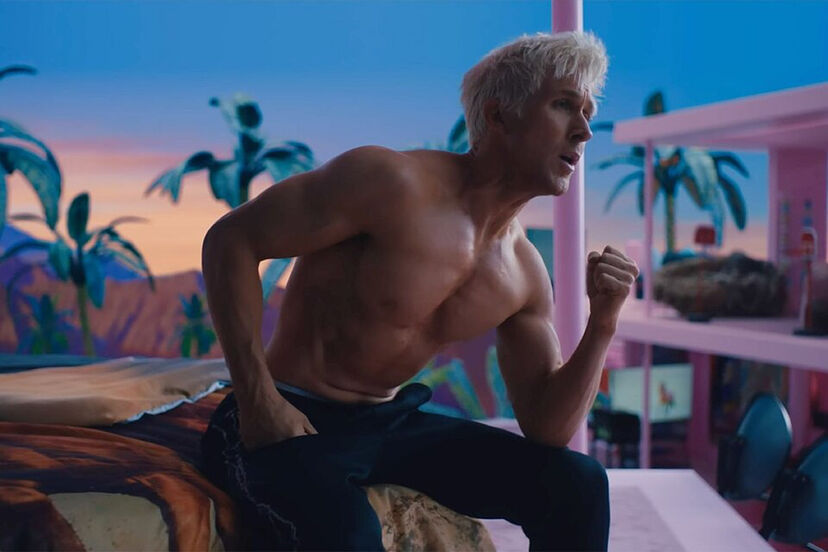
Original Score may not always be the most captivating category at the Oscars, but it certainly offers some entertainment during the gala and allows for the recognition of wild card entries, such as Eva Longoria‘s delightful corporate promo Flamin’ Hotm entering the competition with Diane Warren‘s song The Fire Inside. However, this year’s competition seems rather lackluster, as Mark Ronson‘s and Andrew Wyatt‘s “I’m Just Ken” from Barbie has captivated audiences and appears poised for victory.
That being said, Jon Baptiste‘s documentary American Symphony is certainly worth checking out, and the song “It Never Went Away,” performed by Jon Baptiste and Andrew Wilson, is a worthy contender. Although it may be a better song artistically, its lack of memetic value of “I’m Just A Ken”, which might hinder its chances of winning.
BEST PICTURE

The grand prize for the evening is divided among ten deserving contenders, each of which has earned their moment in the spotlight. However, none of them stand a chance against the brilliance of Oppenheimer, which will undoubtedly secure producers Emma Thomas, Charles Roven, and Christopher Nolan their well-deserved award. It’s a film that truly merits recognition, a bold gamble that paid off flawlessly—a testament to Nolan’s unwavering vision and meticulous execution. While Oppenheimer may not have been my personal favorite film of the year, I am undeniably awed by its sheer power and impact.
On a personal note, I tend to gravitate towards films like The Holdovers or The Zone of Interest. However, it’s clear that neither of them stands a real chance in the fiercely competitive field. The inclusion of Poor Things as a best picture contender, with its impressive 11 nominations, can be seen as a nod to the fresh perspective offered by director/producer Yorgos Lanthimos and producers Ed Guiney, Andrew Lowe, and Emma Stone. However, stripping away the steampunk aesthetic, Poor Things emerges as a quirky, well-directed film with intriguing ideas and performances, but it fails to leave a lasting impression on the larger cinematic landscape.
PRODUCTION DESIGN

One of the standout categories for me this year is production design, which encompasses sets, props, and overall visual aesthetic. Sarah Greenwood, alongside set decorator Katie Spencer, crafted the enchanting world of Barbie, captivating audiences around the globe. Jack Fisk, renowned for his collaborations with David Lynch and Terrence Malick, teamed up with set decorator Adam Willis to bring the tangible world of Killers of the Flower Moon to life on screen. Additionally, Arthur Max, with set decorator Elli Griff, astounded us with the masterful world-building in Ridley Scott‘s Napoleon (which, in my opinion, deserved more recognition in several categories!).
However, as is often the case this year, the real competition lies between James Price and Shoana Heath‘s design, set decorated by Zsuzsa Mihalek, in the steampunk, Victorian splendor of Poor Things, and Ruth De Jong‘s design, decorated by Claire Young, in Oppenheimer.
Who will emerge victorious in this category? My bet is on Poor Things. While Barbie also stands a chance, Poor Things has made a significant impact on the Academy’s choices this year. It seems fitting that they would receive recognition in production design, considering the film’s uniquely strange and captivating world, born from the imagination of a truly interesting mind.
ANIMATED SHORT FILM
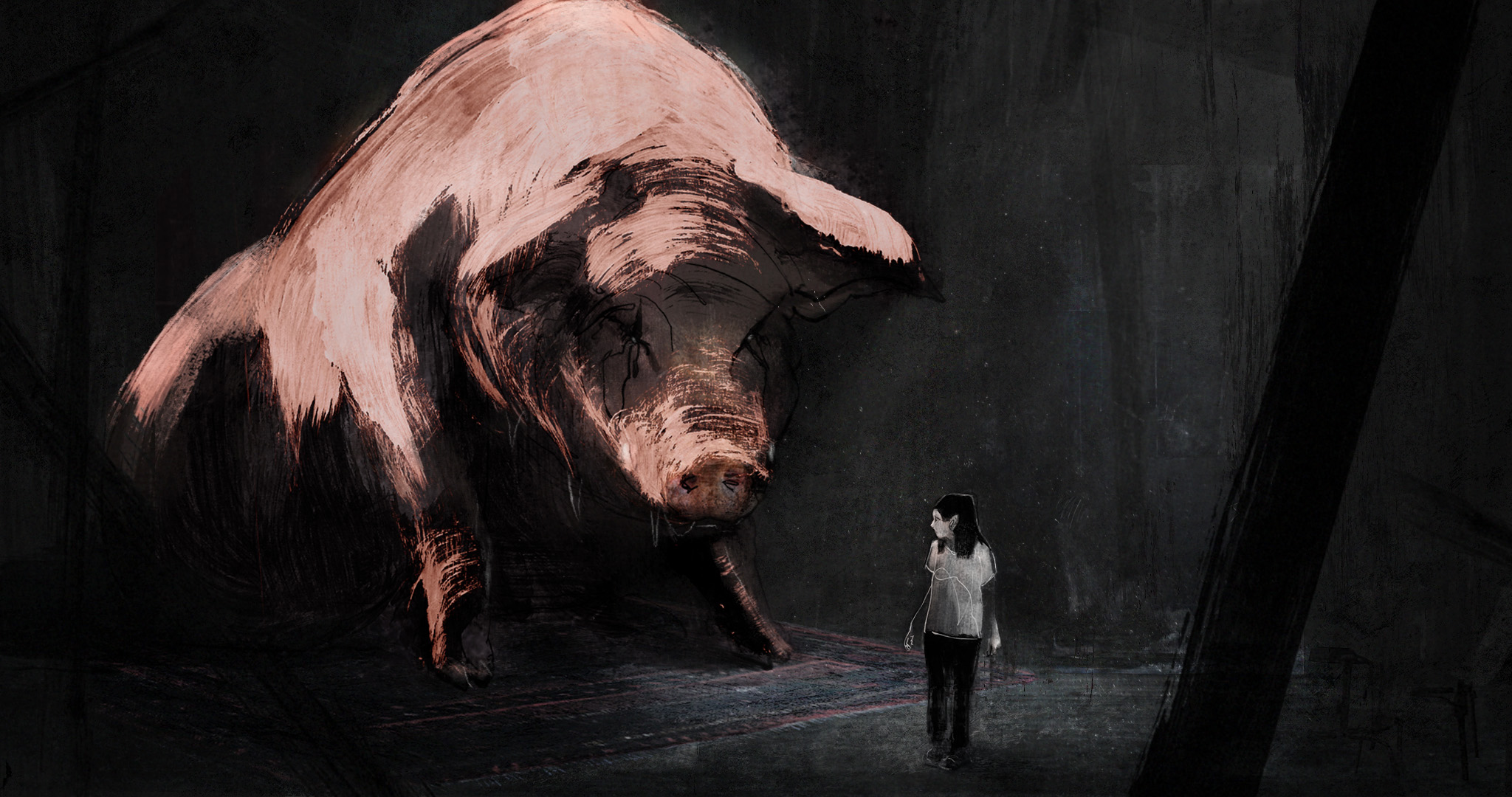
Animated shorts indeed pose a challenge when it comes to recognition. These little gems often offer profound, artistic narratives that can resonate with audiences for years. However, much like other short films, they are notoriously difficult to track down.
Of this year’s lineup, I managed to catch Tali Kantor‘s and Amit R. Gicelter‘s Letter To A Pig, as well as Stéphanié Clément‘s and Marc Rius‘s Pachyderme. Despite these promising entries, there are still many others that have eluded me. As a result, predicting the winner in this category feels like taking a shot in the dark.
LIVE ACTION SHORT FILM
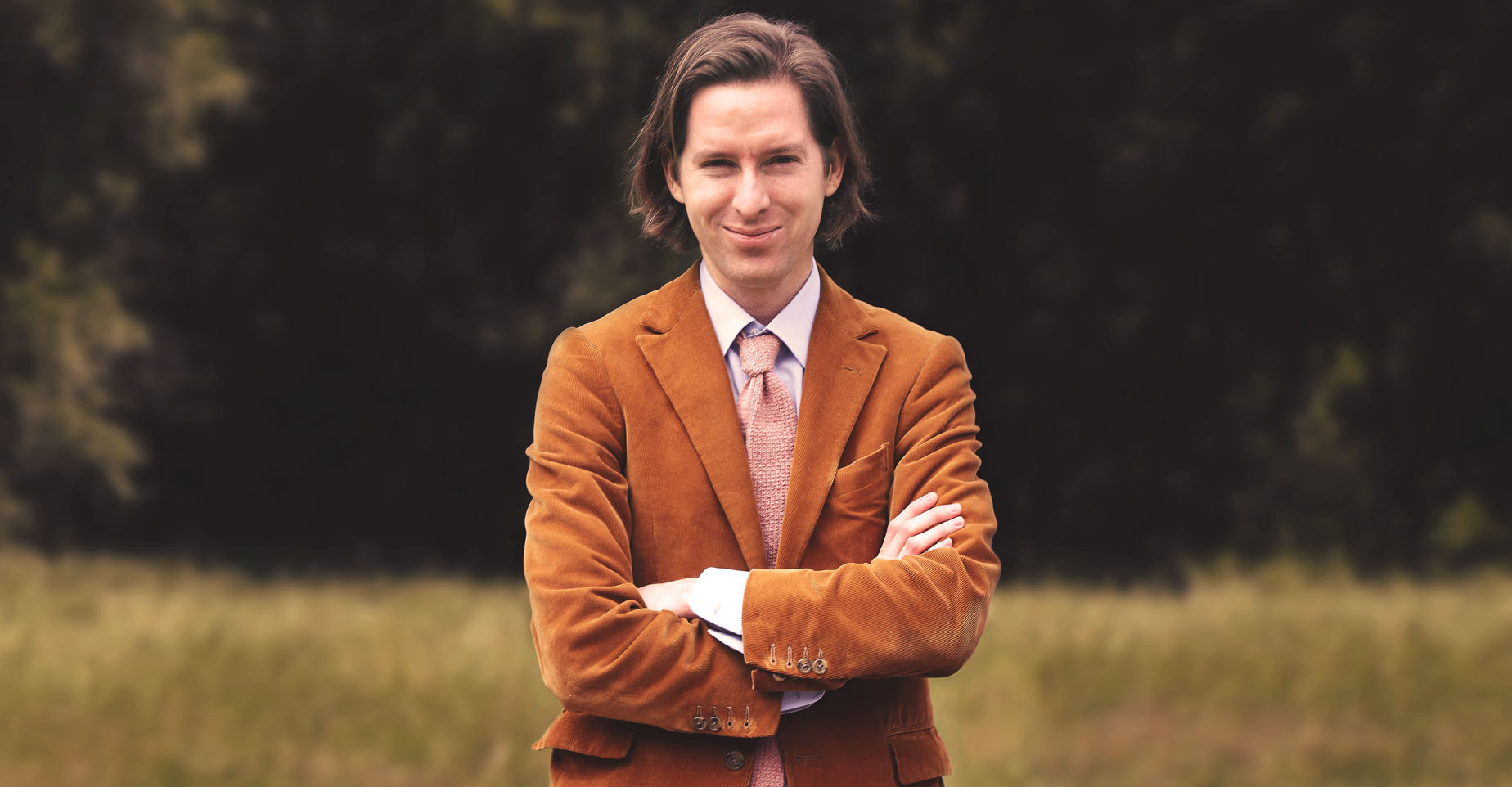
In yet another hard-to-find category, predictions become somewhat of a guessing game. However, Wes Anderson‘s and Steven Rales‘s star-studded short film The Wonderful Story of Henry Sugar stands out as a deserving contender for the win. This delightful film relies heavily on Anderson’s signature visual style and deadpan humor, making it a charming and effective short film.
There were other shorts that I thoroughly enjoyed, such as Nazrin Choudhury‘s and Sara McFarlane‘s politically critical Red, White and Blue, as well as Vincent René-Lortie‘s and Samuel Caron‘s youth crime story Invincible. Both of these shorts skillfully built a horizon of expectations before unexpectedly flipping the script, leaving viewers to question their own preconceived notions.
SOUND

This year, my attention is particularly drawn to the Sound category, more so than ever before. This is mainly due to the strong contenders vying for recognition: Willie Burton, Richard King, Gary A. Rizzo, and Kevin O’Connell for their work on sound design in Oppenheimer, and Tarn Willers and Johnnie Burn for their work on The Zone of Interest. Both films adeptly utilize sound to immerse viewers in the unseen aspects of the narrative, with The Zone of Interest providing a particularly brilliant and unsettling example of this technique. However, considering Oppenheimer‘s dominance across various technical categories this year, it’s unlikely that The Zone of Interest will emerge victorious in this one.
As for other films in this category, such as the sci-fi close-but-not-quite masterpiece The Creator, Maestro, and the latest (and, in my opinion, weakest) Mission Impossiblem they don’t seem to stand much of a chance in this competition.
VISUAL EFFECTS

Having some understanding of visual effects, having worked on films with both great and terrible effects, I’ve come to realize that the best visual effects are those that both astound you and seamlessly blend into the film, making you forget the artistry behind them. Unfortunately, I missed Godzilla Minus One in theaters and have been unable to find a copy to watch before the Oscars, but I’ve seen the rest of the contenders, and the competition between them is going to be tough—except, perhaps, for the work on Mission Impossible, which, frankly, didn’t seem up to par with the others.
Starting with Jay Cooper, Ian Comley, Andrew Roberts, and Neil Corbould‘s work on The Creator, one can’t help but be in awe of what was achieved, especially considering the relatively modest budget. I also appreciated the work of Stephane Ceretti, Alexis Wajsbrot, Guy Williams, and Theo Bialek on Guardians of the Galaxy, Vol. 3, particularly for their creation of soulful little creatures amidst the chaos of green-screen and virtual sets. Another standout is Napoleon, created by Neil Corbould, alongside Charley Henley, Luc-Ewen Martin-Fenouillet, and Simone Coco, resulting in a tremendously well-designed visual effects showcase.
But who will emerge victorious? If I were a betting man, my money would be on Neil Corbould, considering his involvement in three of the nominated films. However, picking the specific film is a bit trickier. I’d probably lean towards The Creator. Seeing mid-budget sci-fi films with remarkable visual effects resonates with my own appreciation for such craftsmanship.
WRITING (ADAPTED SCREENPLAY)
As we know, it all begins, happens, and ends with the script. Not only does every film require a masterful script, but it serves as the very backbone of their existence. Adapting a film isn’t any easier than writing an original one, I would surmise, as it often involves reimagining the source material completely to suit the medium of film. While I haven’t read many of the books that have been adapted, except for Kai Bird‘s and Martin J. Sherwin‘s Pulitzer-winning “American Prometheus,” which served as the basis for Christopher Nolan’s script for Oppenheimer, I base my prediction solely on what I’ve seen on the screen, as it should be.
This year, I have a feeling that Cord Jefferson‘s take on Percival Everett‘s “Erasure,” which was transformed into American Fiction, is the script that will charm the writers and filmmakers deciding the Oscar for Best Adapted Screenplay.
WRITING (ORIGINAL SCREENPLAY)

Returning from the writer’s strike that shook Hollywood in 2023, original screenplays have a significant and crucial role in this year’s gala. The nominees encompass an intriguing mix of biopics, comedies, dramas, and romances. While I’ve yet to see Justine Triet‘s and Arthur Harari‘s Anatomy of a Fall, which many have touted as a strong contender for this Oscar, I was personally most impressed by David Hemingson‘s The Holdovers. Additionally, Samy Burch‘s script, based on Alex Mechanik‘s story, May December, was also noteworthy for its strength. However, my confidence lies in The Holdovers to secure this nod.
You can check my final Oscars Ballot here.
The 96th Academy Awards will be held at Dolby Theater at Ovation Hollywood on March 10th, 2024, honoring the films of 2023.
 Vuorensola.com