Oscars

Oscars 2026 – And the Oscar will NOT go to…


No Comments

It’s Oscars season again, and this year’s Best Picture lineup is packed with politically volatile films. Movies like One Battle After Another and Sinners seem to carry the weight of the world on their shoulders, while Bugonia offers a skewed, unsettling take on the age of conspiracy theories.

As is often the case, however, the documentary category may be the most interesting part of the Oscars. Films such as Mr. Nobody Against Putin, Alabama Solution, and Perfect Neighbour deliver a sobering look at the world we live in today—and hint at where it might be heading.

Now, I’m no film journalist, so I don’t have much insider insight to offer about the top contenders. Instead, I thought I’d do something slightly different: pick one film from each category that almost certainly won’t win—but deserves to be noticed anyway.

So buckle up—let’s begin our tour of the films that have absolutely no chance of winning.


BEST CASTING
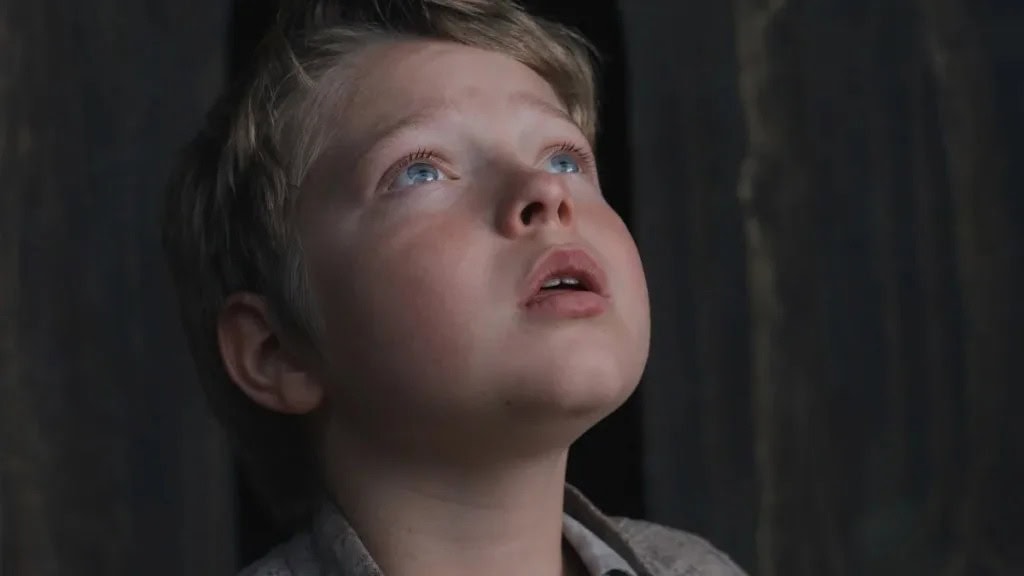
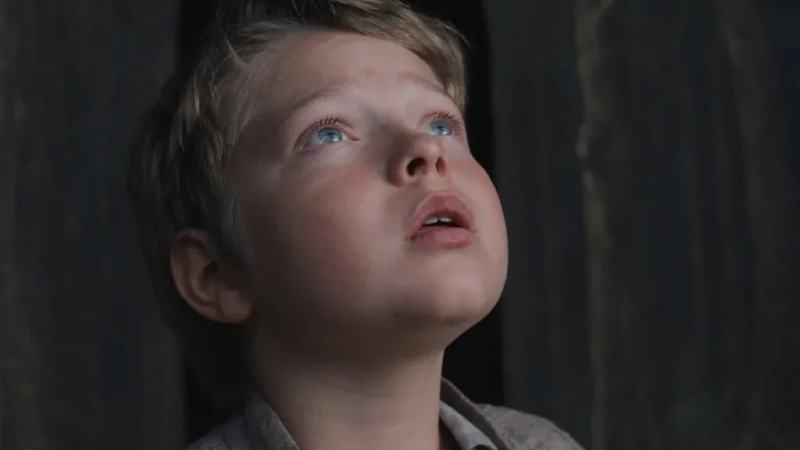
Noah Jupe as Hamnet in Hamnet

Film: Hamnet (Casting: Nina Gold)

Hamnet was the best film of last year and will probably pick up an award or two. In the new Casting category, however, its chances are slim—this one will likely go to Sinners. Still, Hamnet deserves to be mentioned here because of its extraordinary casting. I assume the casting team must have gone through thousands of young actors, because the result is remarkable: some of the best child performances I’ve seen in any film. The real gold nugget is the casting of brothers Jacobi and Noah Jupe as Hamnet and Hamlet, both delivering stellar performances. Jacobi, in particular, is astonishing—once the story turns dark, his performance had me weeping like Niagara Falls for much of the film. It’s an unusually mature, intelligent, and observant performance for someone so young.


BEST DOCUMENTARY SHORT
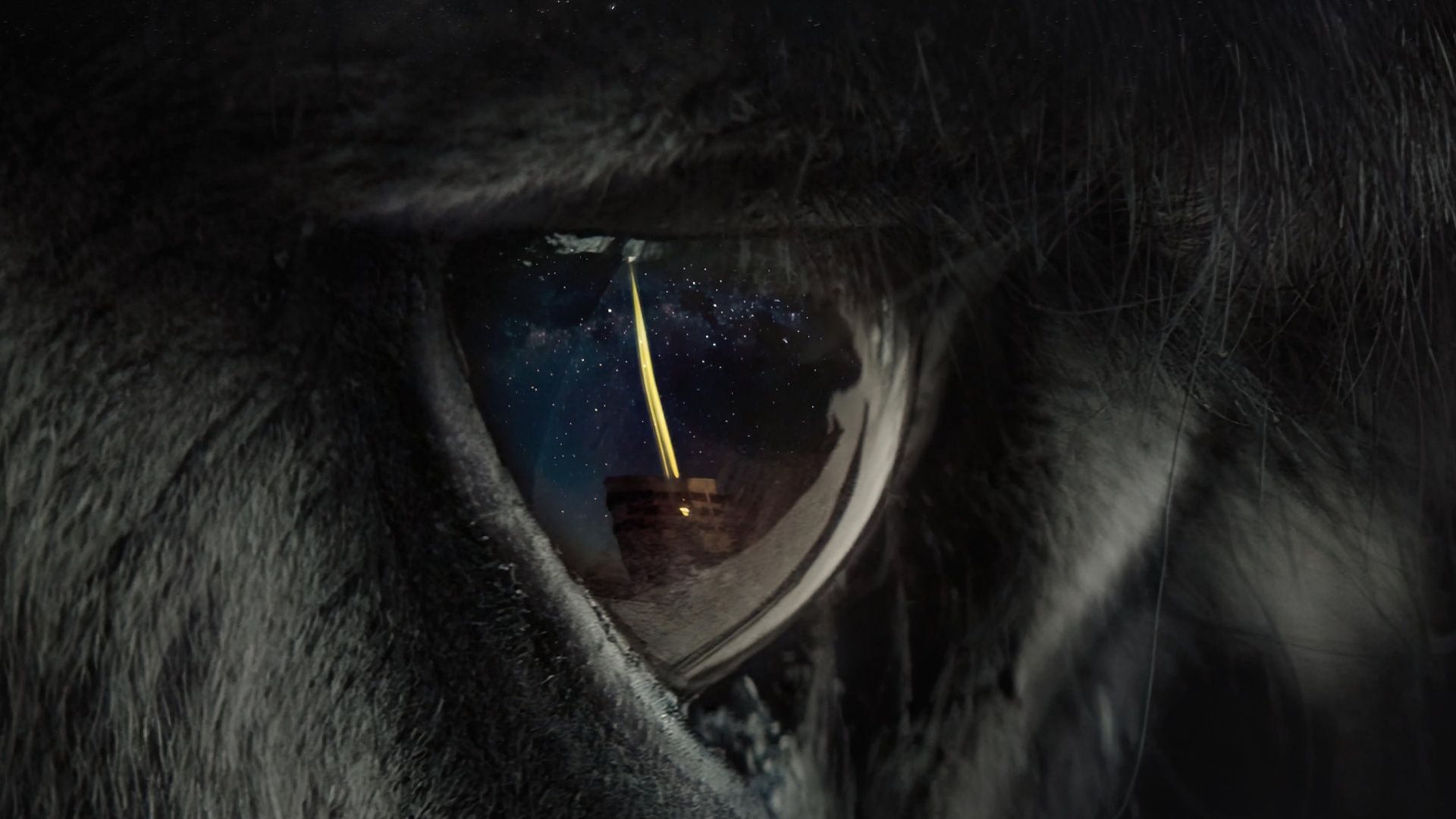
Perfectly A Strangeness

Film: Perfectly A Strangeness (Dir: Alison McAlpine)

I would have loved to make the dad joke about Perfectly A Strangeness and call it a great ass movie, but unfortunately for my brilliant and entirely original sense of humour, the film actually features three donkeys—not asses—who wander into what appears to be an unmanned observatory in the middle of the desert. The category will likely go to The Devil Is Busy, a film about an abortion clinic in Atlanta, and probably deservedly so. Still, Perfectly A Strangeness completely melted my heart. Watching these donkeys quietly observe the universe, their presence juxtaposed with the slow, methodical turning of humanity’s instruments of discovery, creates a strangely profound effect. It gently reminds us how little either species really understands about what’s going on out there. In the end, we’re probably just a bunch of stubborn donkeys ourselves, standing on a rock spinning through the universe, and whatever we achieve here will likely be lost to time—just like the quiet journey of these donkeys. The difference is that they don’t seem to worry about it. They have places to be. They might pause for a moment to wonder what these noisy monkeys have built now, staring up at the massive satellites, but they don’t stop to explain the universe. They simply continue on their donkey business—which, frankly, might be the wiser approach.


BEST VISUAL EFFECTS

The Lost Bus

Film: The Lost Bus (Visual Effects by Charlie Noble, David Zaretti, Russell Bowen, and Brandon K. McLaughlin)

Yes, it seems fairly clear that Avatar will win this category—as it probably should—and if it doesn’t, it will feel like a major travesty. Still, as an outlier, I wanted to mention The Lost Bus. Matthew McConaughey -starring, seemingly small-scale action film (although, from what I’ve read, it reportedly cost around $100 million, so perhaps not that small after all) tells the story of the massive forest fire in Paradise, California, that left 85 people dead and became the deadliest wildfire in U.S. history. Directed by Paul Greengrass, the film does a visually remarkable job of creating a world that appears to be literally burning around the characters. Having worked on a project dealing with a similar subject myself, and having spent some time thinking about how visual effects could depict such an environment, I was genuinely impressed by how grounded and convincing the film’s VFX are. The team combines LED screens, CGI, and Unreal Engine environments to build an intensely chaotic setting that still feels real and physical. In an era when AI is starting to take over much of the heavy lifting in visual effects, it’s refreshing to see handcrafted work executed with such precision by highly skilled professionals. There’s also a documentary on the same event on Netflix, Fire in Paradise, which I highly recommend—it’s a harrowing watch, touching on themes of climate change and corporate negligence.


BEST CINEMATOGRAPHY

Train Dreams

Film: Train Dreams (Director of Photography: Adolpho Veloso)

There was something strangely familiar about Train Dreams while I was watching it—a nagging feeling that I’d seen this film, or something very much like it, many times before. And then it hit me. Of course, I had. At its heart, this may be the most Finnish film in any category this year: essentially a classic tukkijätkä story—a logger’s tale from the old days—soaked in that particular kind of quiet Finnish melancholy. The cinematography follows suit beautifully. There’s something deeply appealing about its ultra-naturalistic style, with very little artificial lighting, and the 3:2 aspect ratio that resembles an old photograph. It carries the story forward in a slow, patient, unhurried way. In an era where it competes with the lavish spectacle of films like Frankenstein or Sinners, a film like Train Dreams might not shout very loudly—but it’s lovely to see that the Academy still shows some appreciation for the beauty of traditional, understated cinematography.


BEST FILM EDITING
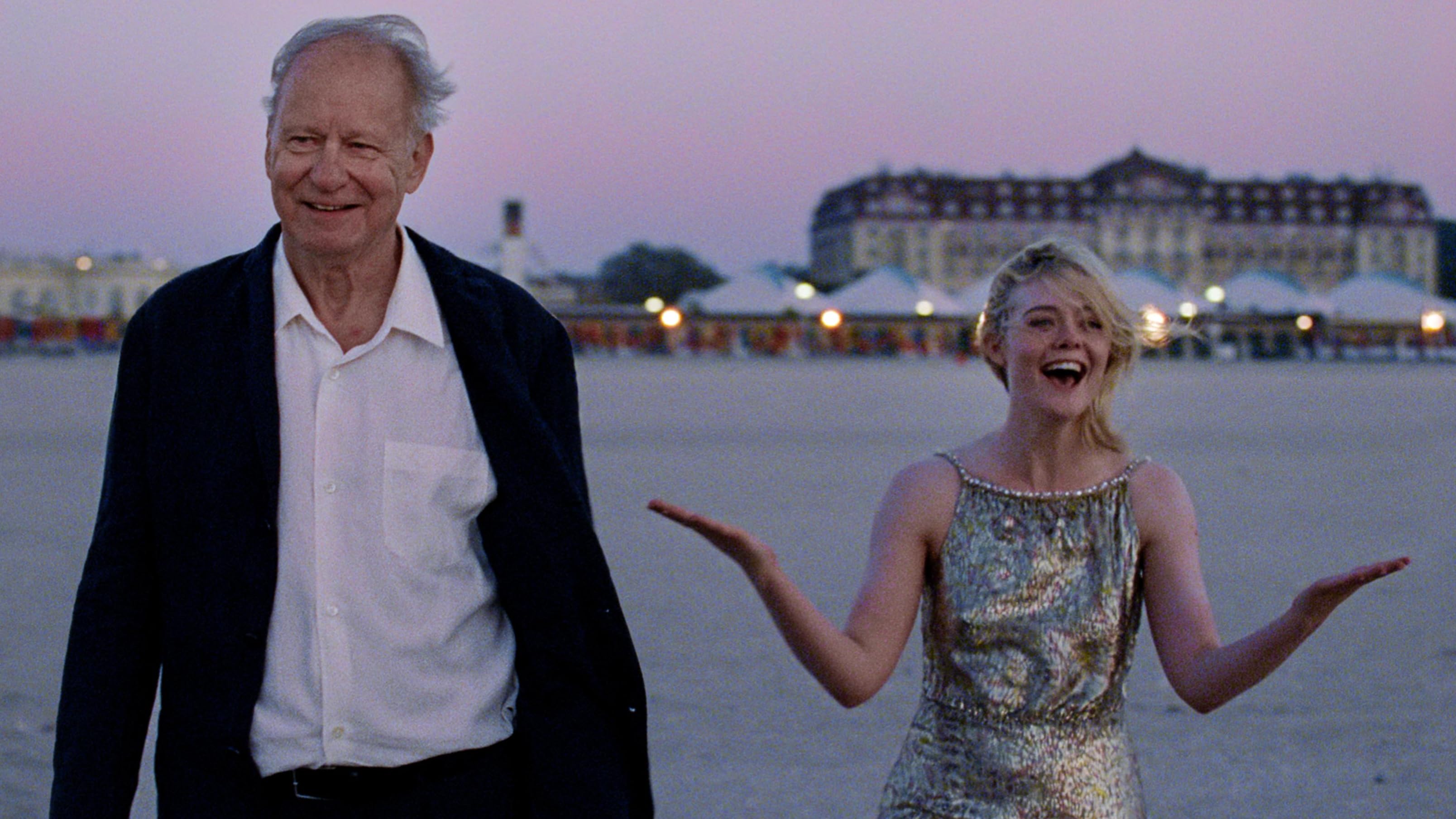
Sentimental Value

Film: Sentimetal value (Editor: Olivier Bugge-Coutté)

Editing, much like directing, is often hardest to notice when it’s done well. The films that tend to win in this category are usually the ones with the most dynamic—read: fast-paced—editing, and that will likely be the case this year as well. F1 fits that description perfectly: rapid, rhythmically precise, extremely complex, yet always easy to follow. The more classical approach to editing, however, still has its value. The presence of Joachim Trier’s Sentimental Value among the nominees suggests there is still some appreciation for it. In many ways, the film is the antithesis of F1: it lingers on scenes, allowing them to breathe, and cuts not when the dialogue demands it but when the emotional rhythm of the moment allows it. It weaves between timelines and emotional states so gracefully that you barely notice the editing at all—which, as the old saying goes, means it’s working.


BEST SOUND
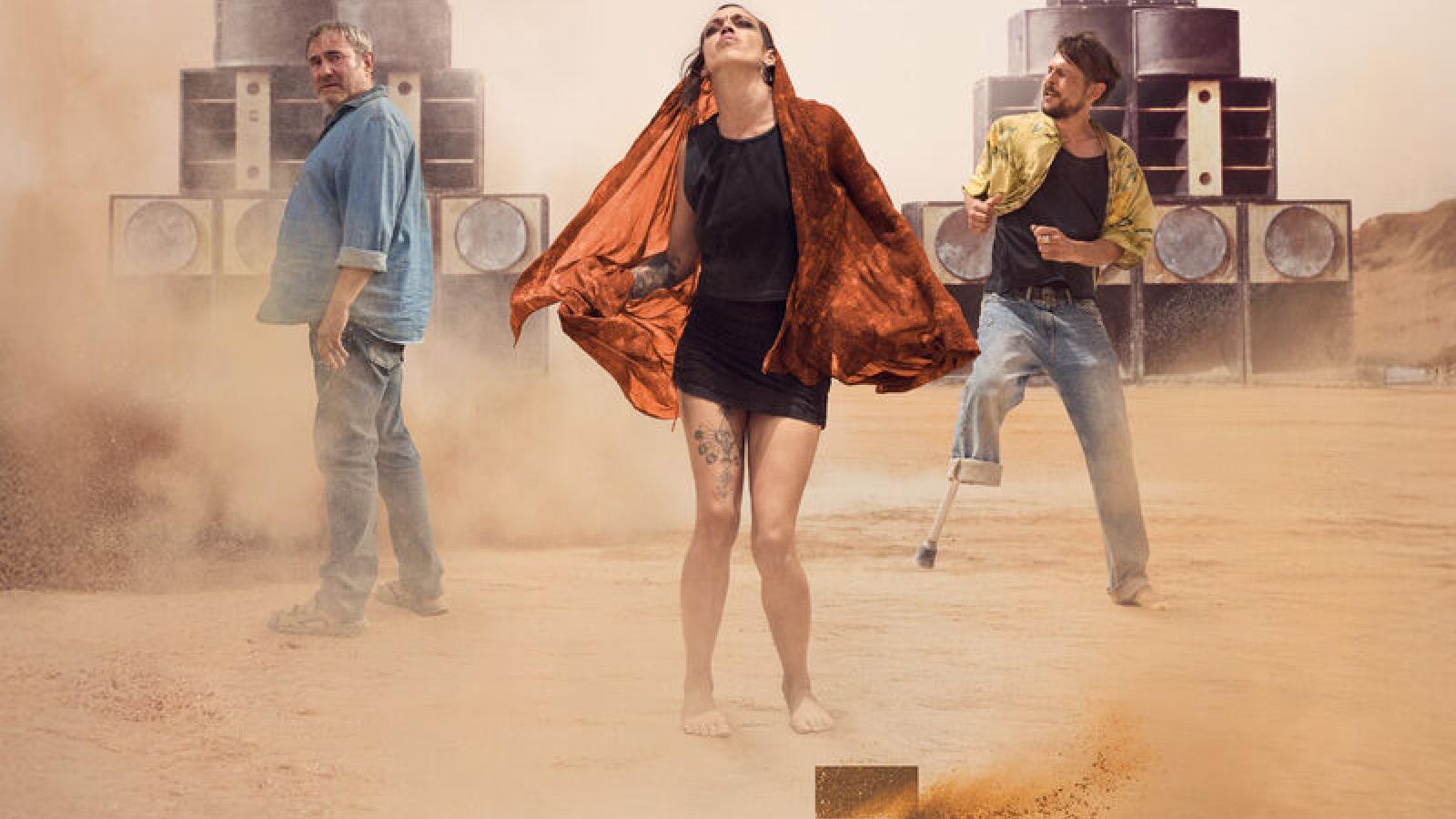
Sirât

Film: Sirât (Sound Designers: Amanda Villavieja, Laia Casanovas and Yasmina Praderas)

Admittedly, I didn’t see Sirât in a cinema, which unfortunately means I probably didn’t experience the full depth of its sound design the way it was meant to be heard. Still, given how central music is to the film—and to the trance-like state it tries to evoke—it feels like a fitting presence in a category often dismissed as one of the “technical Oscars.” Sirât builds its world around three basic elements: trance music, the enclosed spaces of car interiors, and the vast emptiness of the desert. Only sudden bursts of violence—explosions, ruptures—break this strange holy trinity, and when they do, they feel like an outside force intruding upon a slowly building hypnotic circle. Realistically, Sirât probably has no chance against heavy hitters like Sinners or F1, but as a nod to the kind of immersive audio landscapes that transcend traditional sound editing, it’s wonderful to see it included.


BEST PRODUCTION DESIGN
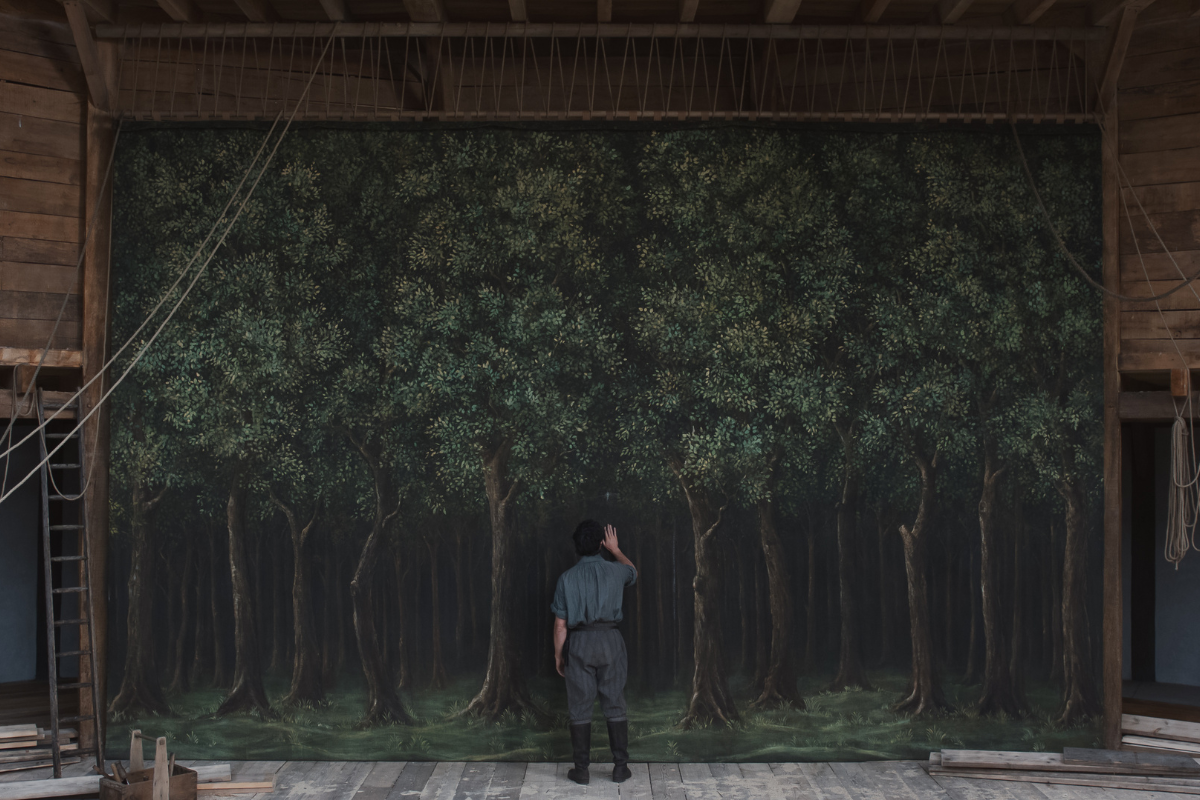
Hamnet

Film: Hamnet (Production Design: Fiona Crombie; Set Decoration: Alice Felton)

Looking at the Oscar categories sometimes makes me wonder whether only five films of any importance are made each year. The same handful of titles tends to repeat across the nominations in slightly different orders, while many deserving films are left out. In Best Production Design, for example, one could easily have imagined nominees like Nuremberg, Wicked: For Good, or even Fantastic Four: First Steps. But since we’re once again looking at the familiar contenders, I’d like to point out Hamnet, which almost certainly won’t win—Frankenstein will probably take it—but remains a beautifully designed film. The interiors of the hut, the kitchen, and the Shakespearean theatre are all meticulously realized, each space feeling authentic and lived-in. And then there’s the moment when Hamnet passes beyond the veil of shadows: the set is striking in its simplicity. No lavish constructions, just a few carefully chosen elements—and the result is quietly heartbreaking, proving that sometimes the simplest design choices hit the deepest emotional notes.


BEST MAKE-UP AND HAIRSTYLING

The Smashing Machine

Film: The Smashing Machine (Make-up and Hairstyling: Kazu Hiro, Glen Griffin and Bjoern Rehbein)

There are usually both lavish and minimalistic contenders in this category, and this year is no exception. From Frankenstein’s reimagined monster to the genre-stretching splatter of Sinners, the competition will likely be decided somewhere between those two. The Smashing Machine, however, takes a very different approach, achieving its effect with remarkable restraint. The world of UFC is ugly and brutal—a sport where faces are beaten into strange and inventive shapes—and the film captures that rawness by never trying to exaggerate it, instead keeping everything grounded and painfully real. The fact that they managed to make Dwayne Johnson nearly unrecognizable is an achievement in itself, and I suspect the realism of the makeup may even have helped bring out his unusually candid performance. The cauliflower ears are meticulously researched and applied where needed—though many of the fighters and extras probably brought their own—and the sweaty, battered atmosphere of the film feels authentic from start to finish.


BEST COSTUME DESIGN
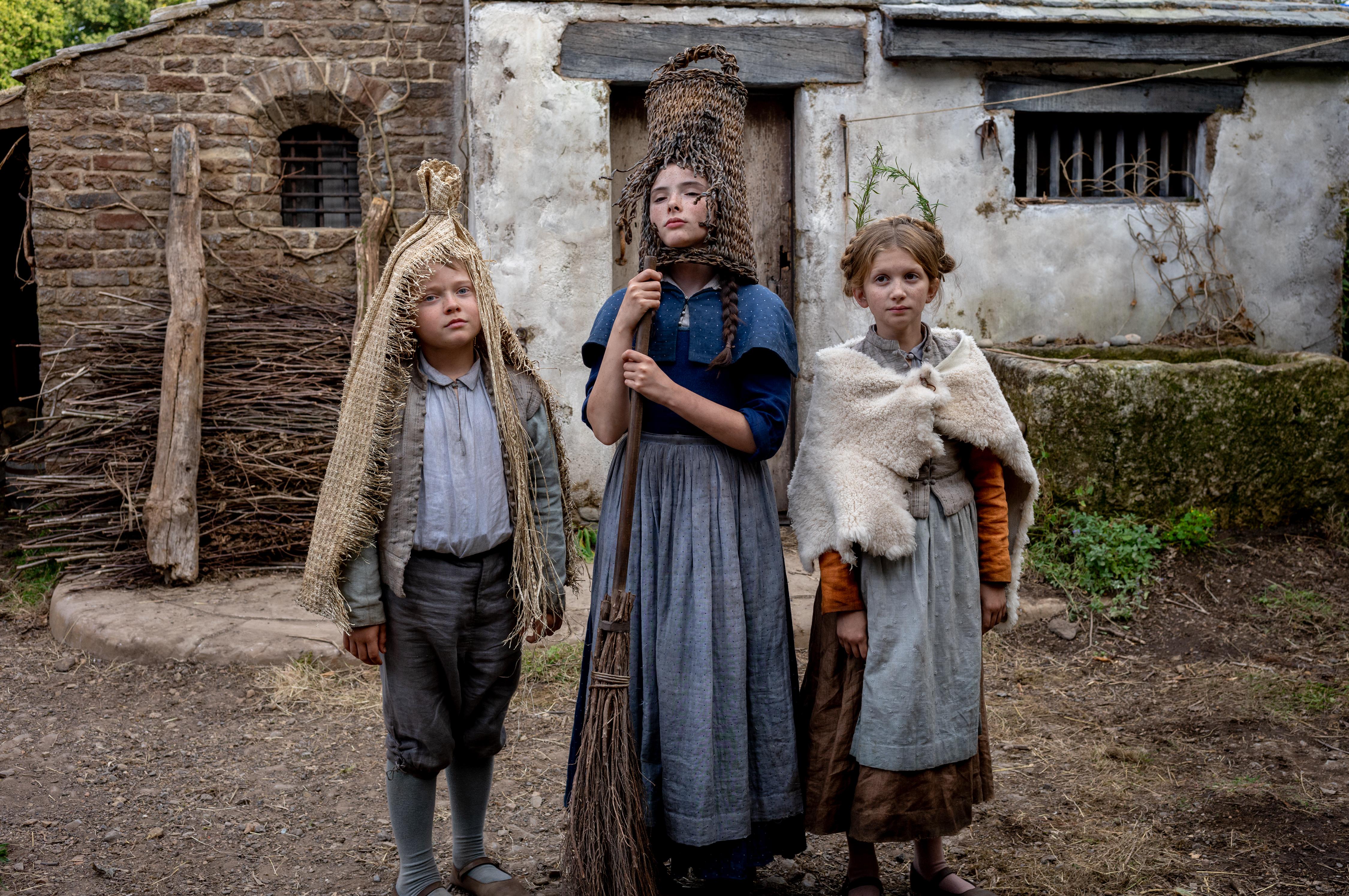
Hamnet

Film: Hamnet (Malgosia Turzanska)

Period dramas—preferably lavish ones—tend to dominate this category, so a win for Frankenstein seems quite likely. Still, Hamnet deserves recognition for its beautifully restrained work. The film brings its world to life with costumes that are simple, muted, and grounded, yet rich in texture and completely believable. Everything feels carefully researched and meticulously crafted. William Shakespeare’s worn leather vest looks as though it might have survived a stabbing by Brutus himself, and the overall color palette blends seamlessly with the film’s environment. It may not be the loudest costume design of the year, but it’s certainly one of the most thoughtful—and well worth a mention.


BEST DOCUMENTARY FEATURE
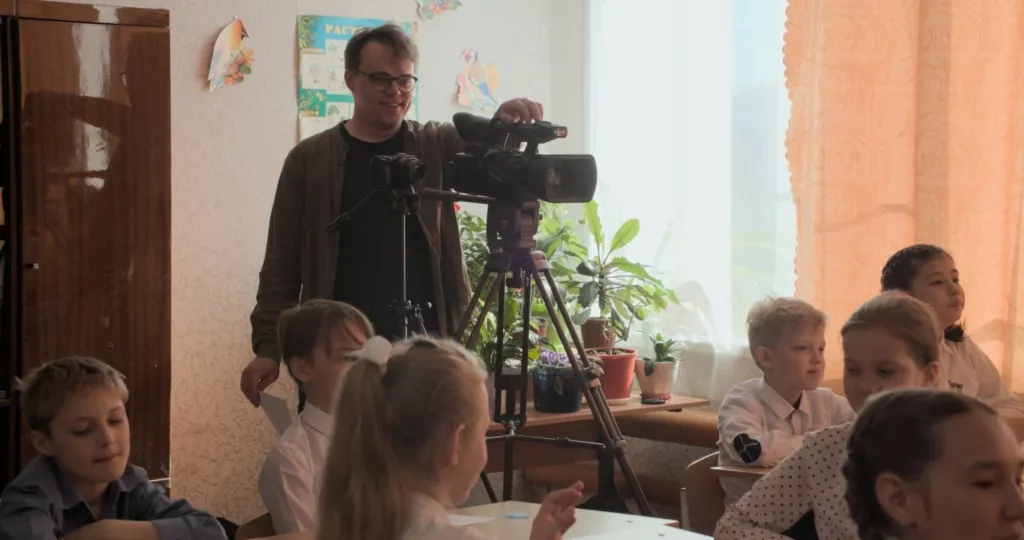
Mr. Nobody Against Putin

Film: Mr. Nobody Against Putin (Directors: David Borenstein, Pavel Talankin; Producers: Helle Faber and Alžběta Karásková)

Documentaries are the Oscar category I enjoy the most, partly because they rarely make it into regular theatrical circulation, so I always try to watch as many of them as possible. This year, Netflix’s A Perfect Neighbour seems like a likely winner—and deservedly so, as it dives straight into the heart of contemporary American tensions. But for me, Mr. Nobody Versus Putin was the one that hit the hardest. The film follows a young teacher in a small Russian school somewhere deep in Siberia, showing how the invasion of Ukraine slowly reshapes everyday life around him. As the war unfolds, more and more propaganda begins to seep into the curriculum, until the entire school system starts transforming into a vehicle for state messaging. At the same time, the army begins recruiting young men from the village, sending them into a war that few of them seem to truly believe in. It’s an eye-opening documentary, and while its events are unfolding in Russia today, the mechanisms it reveals don’t feel nearly as distant—or as unique—as one might hope.


BEST ANIMATED FEATURE

Arco

Film: Arco (Directors: Ugo Bienvenu, Félix de Givry; Producers: Sophie Mas and Natalie Portman)

As the father of a now 21-year-old son, I don’t get to see the latest animated films nearly as often as I used to. Back in the day, we would regularly go to see the newest Pixar or Ghibli release together. These days it’s a much rarer occasion that I sit down to watch an animated film—except during the Oscars. That ritual at least keeps me somewhat in the loop with the biggest titles each year. One thing I’ve noticed, though, is that many modern animations have become much more shouty and over-reactive, clearly tuned to the supposedly shrinking attention spans of younger audiences. Of course, these are enormous productions that have to pull in massive crowds, so the logic is understandable. But once the shouting starts, I tend to zone out, and the rest of the film sort of glides past me. This year, Zootropolis, K-Pop Demon Hunters, and to some extent Pixar’s Elio had that effect on me. I’m fully aware that K-Pop Demon Hunters will likely win, but the film that really captured me was the Ghibli-like Arco. Its peaceful pacing, its charming 1960s-style sci-fi sensibility, and its beautifully simple animation style felt like a balm for the brain compared with the louder entries in the category. It clearly has no chance of winning, but I’m very glad I watched it—without my Oscar completionist tendencies, I probably wouldn’t have.


BEST INTERNATIONAL FEATURE

It Was Just An Accident

Film: It Was Just An Accident (France; Director: Jafar Panahi)

I didn’t love It Was Just an Accident unconditionally, much like I didn’t fully connect with last year’s The Seed of the Sacred Fig. There’s something about these films that loses me a little when the story starts drifting into the more absurd territory. Still, I liked it enough to want to talk about it. The film follows a group of people who decide to kidnap and kill a man they believe was a guard at a government facility where they had all been tortured. What begins as a relatively straightforward drama gradually grows darker—while at the same time becoming increasingly absurd, even veering into moments of strange, almost crazy comedy. Beneath that, the film clearly grapples with Iranian realities, touching on life under an oppressive regime. Its director, Jafar Panahi, is one stubborn man and a genuine champion of freedom of expression. He now faces a significant prison sentence for making the film and for continuing to defy the 20-year filmmaking ban imposed on him. It wouldn’t even be the first time he’s ended up in jail because of his films—which, if you ask me, is about as real and badass as filmmaking gets.


BEST ORIGINAL SCORE
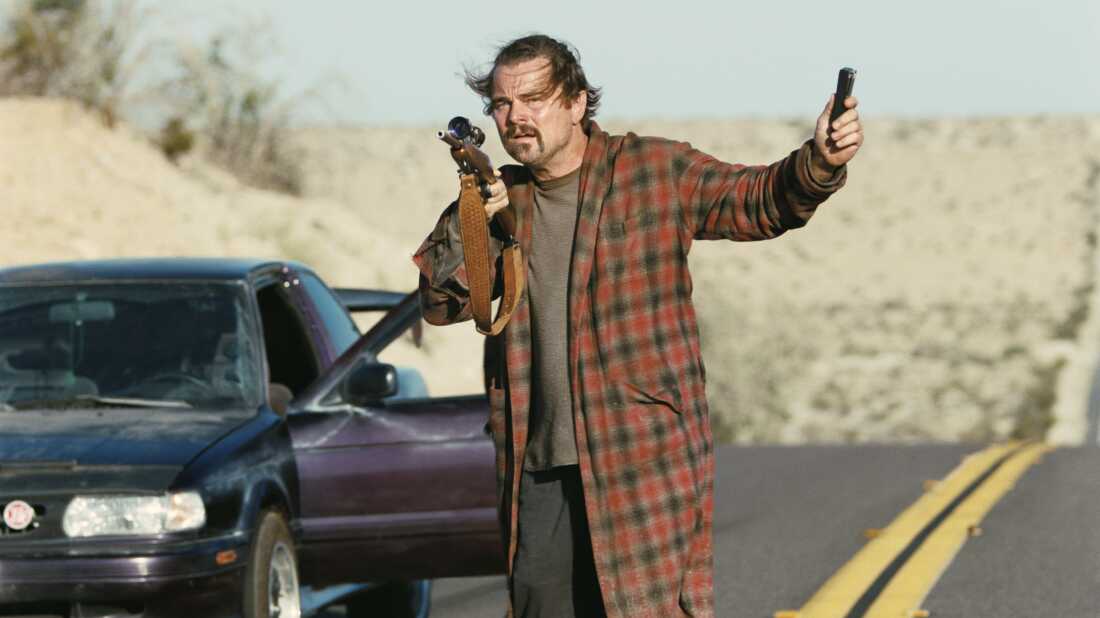
One Battle After Another

Film: One Battle After Another (Composer: Jonny Greenwood)

Sinners will almost certainly win Best Original Score, and rightly so—Ludwig Göransson’s work is outstanding. Still, my personal favorite this year was One Battle After Another. Jonny Greenwood once again delivers a minimalistic masterpiece that perfectly matches the off-the-wall insanity of the film. It’s another great reminder of how profoundly a score shapes a movie: change the music, and you’d have an entirely different film. Greenwood’s piano plinks and plonks its way through the narrative, violins sketch dizzying sonic images, and the drums provide a strange, restless heartbeat. The result is a score that feels uniquely unhinged and perfectly in tune with the film’s chaotic spirit.

BEST ORIGINAL SONG

Diane Warren: Relentless

Film: Diane Warren: Relentless (Performed by Kesha, written by Diane Warren)

If there’s one statistical certainty at the Oscars, it’s that Diane Warren will not win. There’s even a documentary about this remarkable streak—and somewhat ironically, that documentary includes a song that ended up being an Oscar contender. Warren has now been nominated 17 times without a win, the most nominations of anyone in Oscar history without taking home the award, and it seems likely that this year will continue that tradition. The nominated song itself isn’t among her strongest—after all, this is the songwriter behind massive hits like I Don’t Want to Miss a Thing (for Aerosmith), Un-Break My Heart (for Toni Braxton), and Because You Loved Me (for Celine Dion). Still, there’s something almost poetic about seeing her once again nominated, yet facing impossible odds against K-Pop Demon Hunters’ song Golden, written by Ejae, Mark Sonnenblick, 24, Ido, and Teddy. (Five writers for one song—one can’t help but wonder what each of them contributed there… just asking for a friend.) The documentary Diane Warren: Relentless, however, is very much worth watching. It paints a portrait of someone utterly devoted to her craft—almost locked inside that devotion—and still relentlessly chasing the one thing that continues to elude her.


BEST ORIGINAL SCREENPLAY
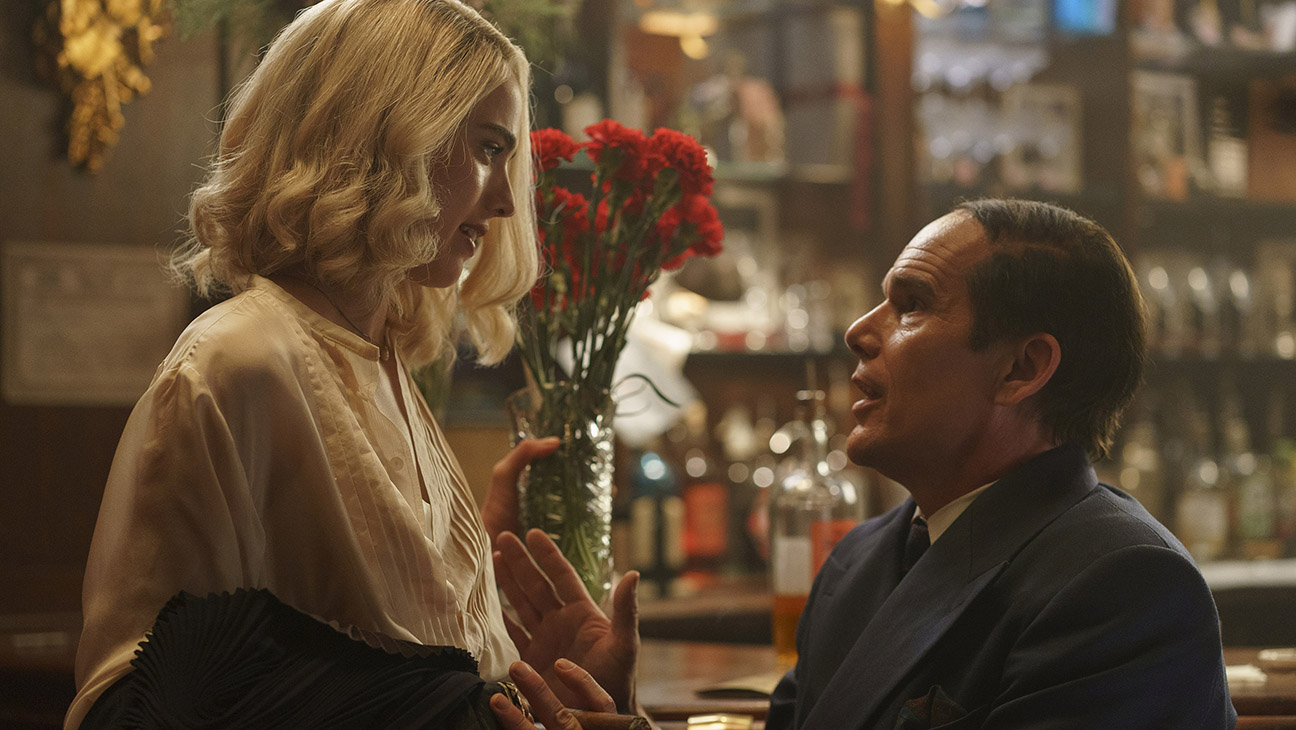
Blue Moon

Film: Blue Moon (Written by Robert Kaplow)

Blue Moon is something of a wild card in the category. It’s a film that relatively few people have probably seen, and on paper it reads more like a stage play than a traditional screenplay—but that’s exactly where its strength lies. The film tells the story of Lorenz Hart, one half of the legendary Rodgers and Hart songwriting duo who dominated American show business in the 1940s and ’50s. The screenplay boldly focuses on a single night in the bar of a theater where the latest Broadway musical by his former writing partner is about to premiere. On the surface, very little happens: Lorenz—brilliantly played by Ethan Hawke—mostly wanders around the bar, harassing the bartender and chatting with patrons. Yet the writing makes it utterly compelling. You enter the night likely knowing very little about Hart, and gradually, almost imperceptibly, the script begins to peel back the layers of the man. Scene by scene, conversation by conversation, you find yourself sinking deeper into his world, becoming increasingly emotionally invested.


BEST ADAPTED SCREENPLAY

Bugonia

Film: Bugonia (Written by Will Tracy, a remake of Save The Green Planet! written by Jang Joon-hwan)

It’s difficult to talk about the screenplay of Bugonia without drifting into spoiler territory—so if you haven’t seen the film yet, consider this a warning. I’ve always had a soft spot for “what if?” scenarios in fiction—unsurprising, perhaps, given that Iron Sky was born out of exactly that kind of thinking—and while watching Bugonia, I felt a certain kinship with the writer. Admittedly, I’m not usually a fan of films that spend two hours torturing a female character, but the fact that the film ultimately reveals that the core conspiracy is actually true does make the whole ride work for me. And then, to top it off, the story resolves its central mystery in a way that feels delightfully reminiscent of old Star Trek: suddenly, we’re in these wonderfully outlandish sets meant to represent some distant galaxy or hidden reality. In a category that also includes heavyweights like One Battle After Another and Hamnet, it’s no surprise that the award will probably go elsewhere. Still, there’s a part of my heart that beats for the gleefully unhinged, conspiracy theory–soaked madness that is Bugonia.


BEST DIRECTOR

Hamnet

Film: Hamnet (Director: Chloé Zhao)

The big battle in Best Director will likely be fought between Paul Thomas Anderson for One Battle After Another and Ryan Coogler for Sinners, while the rest of the nominees watch from the sidelines. For me, though, the directing I’ll carry home from this year’s Oscars is Chloé Zhao’s work on Hamnet. Her filmmaking is gentle, intimate, and deeply focused on character. Around those human moments, she builds a world of images that reach toward the skies, a quiet universe that slowly invites the viewer in until it feels like wrapping yourself in a warm blanket—while you quietly cry your eyes out. If anything, her somewhat ill-fated detour into Marvel territory only highlights where her real strengths lie: telling stories about actual, fragile human beings. And that’s something I’ll always love watching her do.


BEST SUPPORTING ACTOR

Benicio Del Toro in One Battle After Another

Film: One Battle After Another (Benicio Del Toro)

One Battle After Another will likely sweep many of the major awards this year, and Sean Penn will probably—and quite deservedly—take home the Best Supporting Actor Oscar. Still, I want to give a nod to Benicio Del Toro’s character in the same film. He embodies that effortless, nonchalant cool—like someone who has already figured the world out and is in no hurry to explain it to anyone else. There’s something immensely enjoyable about watching him drift through the film’s madness exactly as he is, completely unfazed and entirely himself.


BEST SUPPORTING ACTRESS
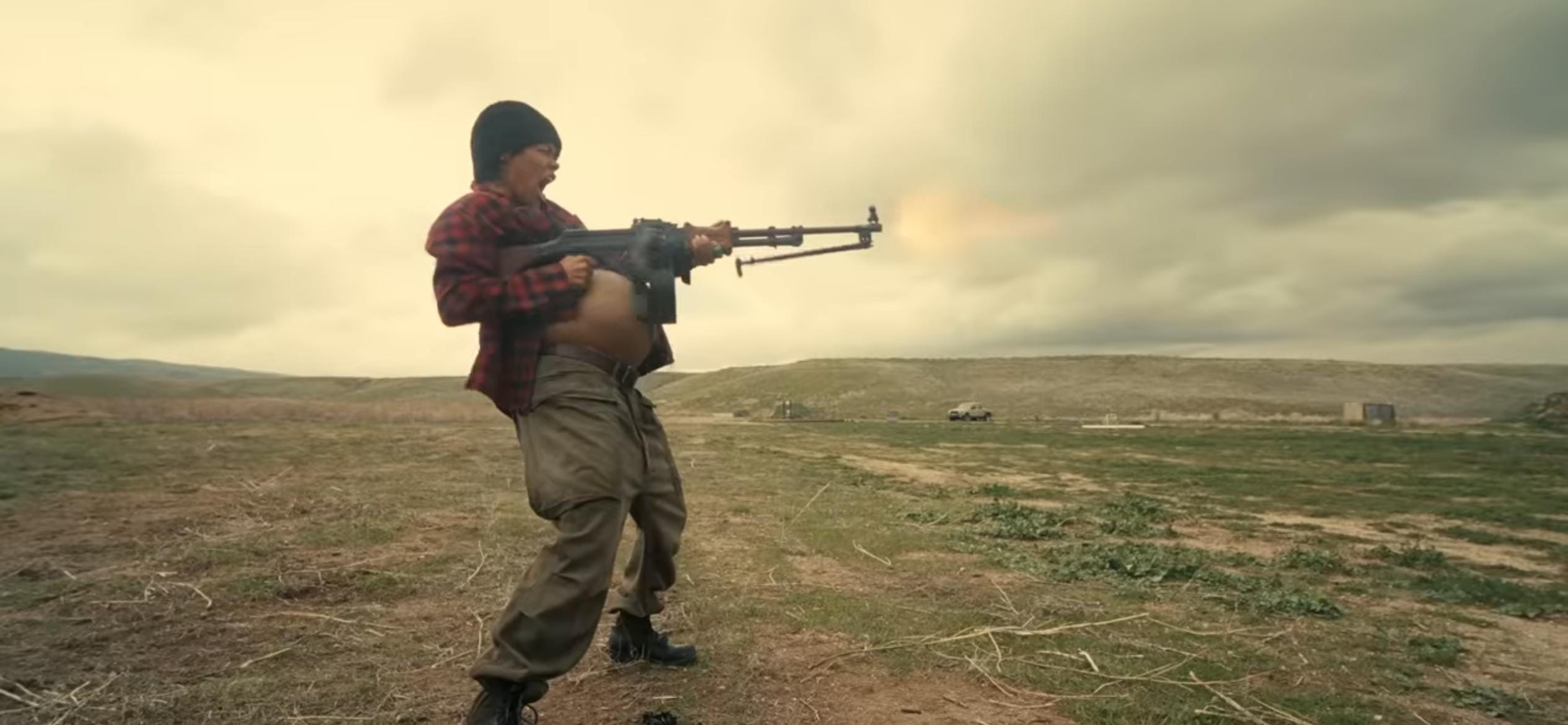
Teyana Taylor in One Battle After Another

Film: One Battle After Another (Teyana Taylor)

While the Best Supporting Actress Oscar will most likely—and quite deservedly—go to Amy Madigan for her brilliant work in Weapons, I still want to highlight Teyana Taylor’s performance in One Battle After Another. Her character carries a remarkable weight throughout the film, and her presence resonates long after each scene ends—arguably second only to Sean Penn in terms of impact. It’s a category filled with excellent performances this year, but for me, Taylor’s sheer strength and intensity give her work an edge that lifts it above the rest.


BEST ACTRESS

Rose Burns in If I Had Legs I’d Kick You

Film: If I Had Legs I’d Kick You (Rose Burns)

Rose Byrne’s nomination for the rather obscure If I Had Legs I’d Kick You, directed by Mary Bronstein, is an interesting addition to the category. The film itself is solid, though it suffers from a somewhat uneven supporting cast—Conan O’Brien is perfectly fine in his role, but A$AP Rocky, unfortunately, is quite another matter. Still, Byrne’s performance is fantastic and by itself a very good reason to seek the film out. It reminds me a little of the situation with To Leslie a few years ago, when Andrea Riseborough unexpectedly landed an Oscar nomination. The film was barely known to the wider public, and there was plenty of chatter about possible campaigning shenanigans because she had powerful friends in Hollywood. But the simple truth was that Riseborough delivered an extraordinary performance and fully deserved the recognition. In much the same way, If I Had Legs I’d Kick You may not be dominating the box office conversation, but Byrne absolutely deserves her place among the bigger names. And while Jessie Buckley will likely—and deservedly—take the Oscar, it’s refreshing to see the Academy still leaving room for performances from films that aren’t necessarily at the center of the mainstream spotlight.


BEST ACTOR
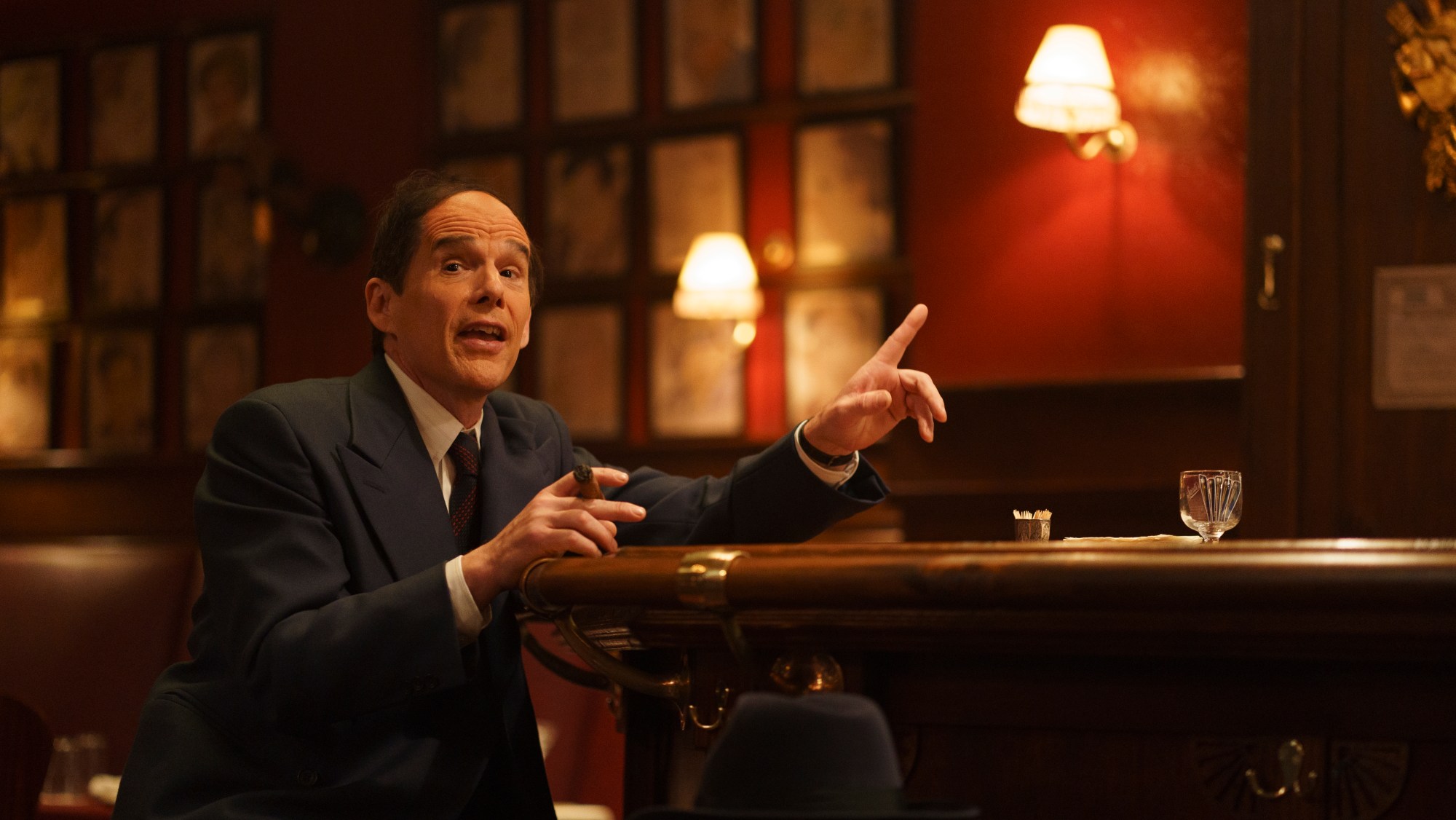
Ethan Hawke in Blue Moon

Film: Blue Moon (Ethan Hawke)

Ethan Hawke has now been nominated for an Oscar five times, yet he still hasn’t won—and, unfortunately, that streak will probably continue after this year’s ceremony. The award will most likely end up going to either Michael B. Jordan or Timothée Chalamet. Still, Hawke’s performance as Lorenz Hart in Blue Moon, directed by Richard Linklater, is something special. He throws himself into the role with remarkable energy and precision, delivering a performance that feels both tightly controlled and completely alive. Watching him work reminds me of the old romantic idea of actors who simply knew their lines, showed up on time, and focused on doing the job well rather than creating a spectacle around themselves. Whether that golden age ever truly existed is debatable—but Hawke certainly carries that spirit. And somehow I suspect he’s the kind of actor who arrives on set ready to work, rather than bringing a personal chef and demanding three breakfast options, two of which end up in the trash. And who knows—he might even enjoy a bit of opera and ballet, too.


BEST FILM
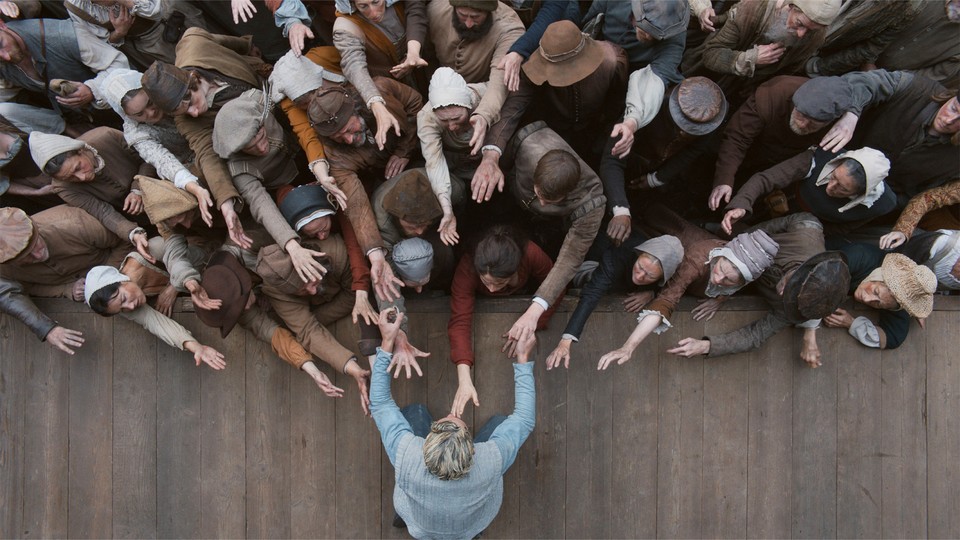
Film: Hamnet (Produced by Liza Marshall, Pippa Harris, Nicolas Gonda, Steven Spielberg and Sam Mendes)

Truth be told, the Best Picture Oscar could easily land in the hands of any of three films: Sinners, One Battle After Another, or Hamnet. I haven’t been following the awards-season tracking closely enough to say which one currently has the edge, but my gut feeling is that One Battle After Another will ultimately take it—and that might cause a bit of outrage, since many people seem to be rooting for Sinners. Hamnet, on the other hand, will likely walk away gracefully with Best Actress, which would be a beautiful and well-deserved recognition, even if one might wish the film received even more attention. But here’s why I think it matters that a film like Hamnet is in the race at all. Some viewers may see it as a somewhat old-fashioned film, and it certainly deals with harsh material—the death of a child—but it approaches that subject with extraordinary grace and sensitivity. The performances across the cast are stellar, and Jacobi Jupe’s work as Hamnet is particularly remarkable. In fact, I’d argue his performance alone outclasses many of the male performances in other films this year; personally, I think he deserved a Best Supporting Actor nomination, though perhaps his age played a role in that not happening. In any case, it’s a terrific, deeply heartfelt film that handles an incredibly difficult subject with care and compassion. This year’s Best Picture lineup is unusually strong—there’s really no film here that feels entirely undeserving of its nomination (well… maybe F1). But if you ask me which film brought the most emotional weight and quiet power to the table, the one carrying the biggest basket of goods this year is Hamnet.
Life

Farewell, My Friend Udo Kier


No Comments

“LIFE.”

That’s how my dear friend, actor Udo Kier, titled his emails to me. Always: “LIFE.”

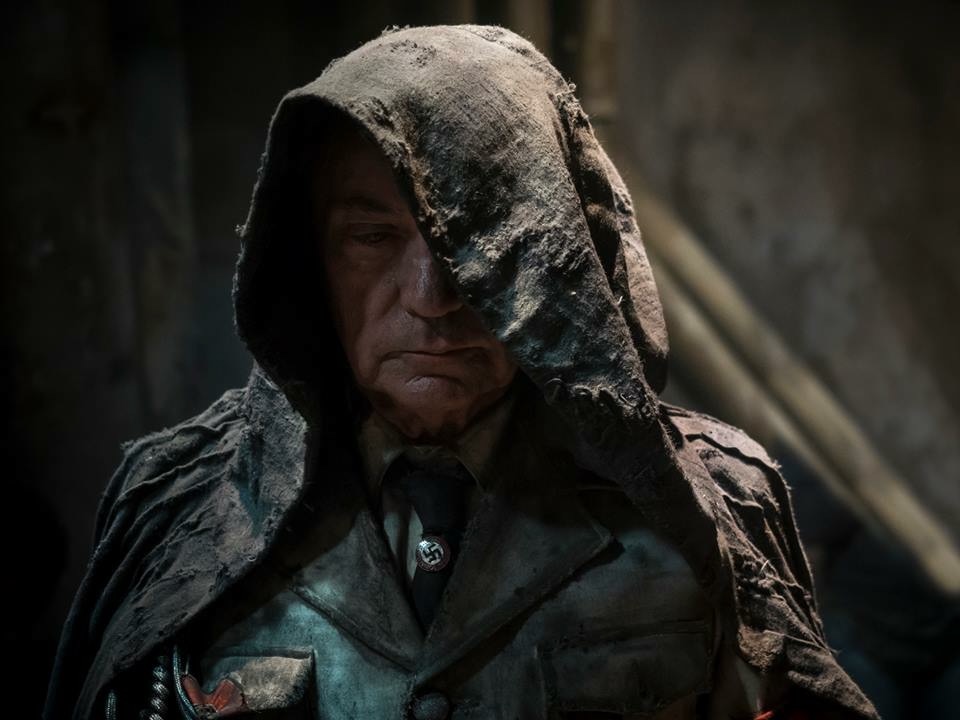
I first met Udo in Frankfurt, Germany, though we had spoken on the phone before. I wanted him to play Wolfgang Kortzfleisch, the tyrannical overlord of the Nazi Moon Base in my upcoming film Iron Sky. I had reached out with hope, but no real expectation. Then one day, he called. He was interested. I was—quite literally—beyond the Moon.

We met in a restaurant in Frankfurt just a day or two before his first shooting day. I was nervous; he was Udo Kier, after all. But very quickly he made it clear that he was there for you. He was curious about you. He wanted you to relax. With Udo, that was always the starting point: presence, generosity, warmth.

When Udo walked onto a set, the atmosphere shifted. People straightened up—not out of fear, but out of respect. They wanted to give their best. He greeted everyone: the water runner, the DOP, every producer, actor, gaffer, and construction hand. If you cared about your job, he cared about you.

When Udo was on set, the spotlight naturally followed him. And yet he always shared it.

Over the years, we became friends. I honestly don’t know what he liked about me, but from the first shoot onward—through festivals in Cannes, sets in China and Australia, visits to Palm Springs, and premieres in Berlin—we always had the most incredible time.

His life overflowed with stories—but even more, people had stories about him. Wherever filmmakers gathered, someone had an Udo Kier story. These stories formed a strange, beautiful constellation between us, like sharing a secret: we all had crossed paths with this extraordinary man, and he had left a spark in every heart.

Udo loved his Palm Springs home he shared with his partner, artist Delbert McBride—and all his other properties. His ranch, he always said, was guarded by a plastic horse named Max, after Max von Sydow, whom he considered “old as a horse.” When the gate opened, Max’s eyes glowed blue and it neighed. Udo imitated the sound perfectly—impossibly. Unforgettably.

His home reflected him: filled with stories, art, life, and strange, beautiful objects. And then there was Han Solo, his grumpy turtle who roamed the property and demanded cucumbers with the attitude of a retired movie star.

We would go to Lulu’s Café for dinner, then wander off for a drink. Sometimes he took me to his ranch or the little hill he owned—a place he loved to sit with a glass of red wine and watch the stars in the silent desert night.

Now he has joined those stars.

Udo was always filming. Even now, he still has seven films yet to be released. I shot with him in Germany, Belgium, Australia, and China. He always messaged me from some corner of the world where he was working yet again.

I don’t know much about his final days, but I like to imagine he continued doing what he loved—acting, tending to his garden, enjoying a cold chardonnay, living fully. I believe he died a happy man, after a long, fulfilling life of adventure, artistry, and unforgettable impact.

Fiendship with Udo was eternal. He remembered you. He checked in. He cared. He was, truly, one of the greatest people I have ever shared this Earth with.

“I MISS YOU. BEST UDO” he would always end his messages.

I miss you too, Udo. And will, always.

I know Udo loved this quote from Blade Runner, so I’m going to share it here, too:

“I’ve seen things you people wouldn’t believe.

Attack ships on fire off the shoulder of Orion.

I watched C-beams glitter in the dark near the Tannhäuser Gate.

All those moments will be lost in time, like tears in rain.

Time to die.”

Life

Altered – A new film out now!


No Comments

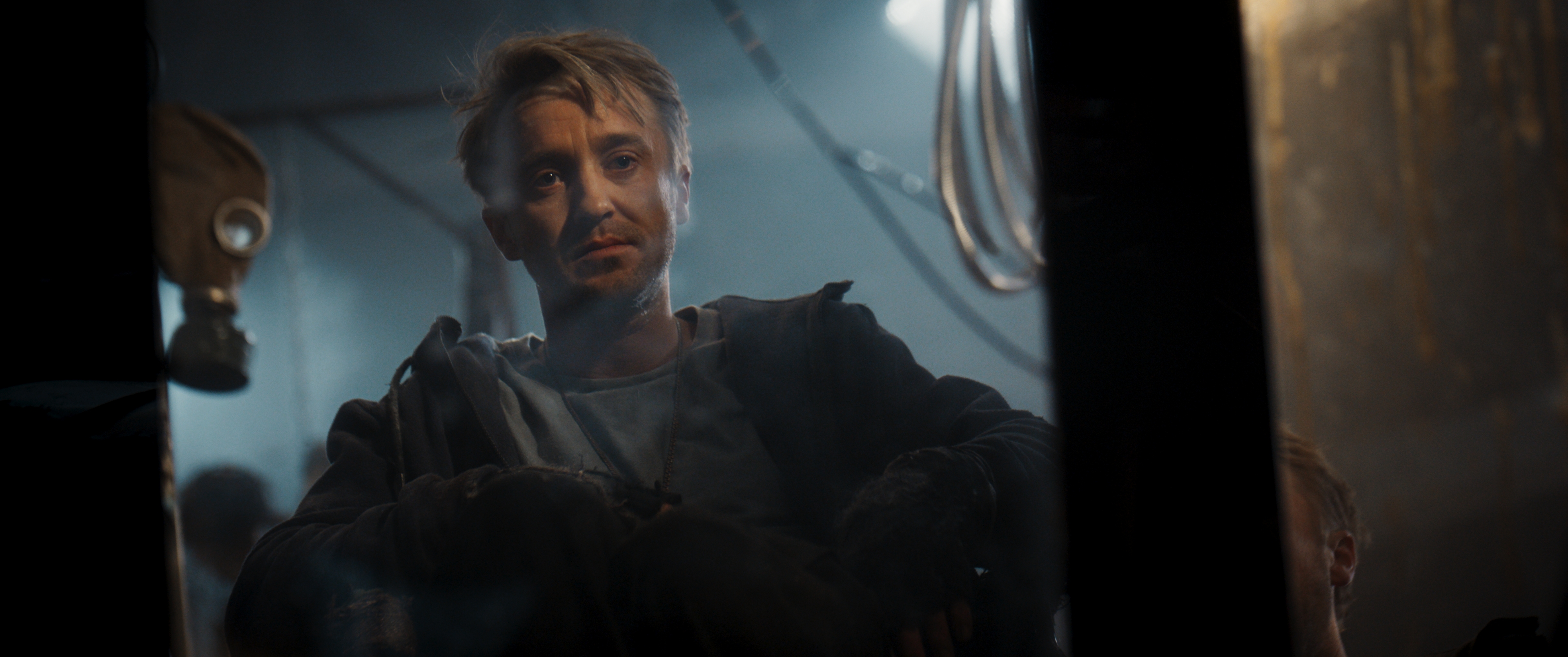
My next film, ALTERED, is rolling out this week in the US — in select theaters and on digital. Starring Tom Felton, it’s a science-fiction thriller set in a future where biological alterations are the norm: at birth, the privileged are assigned enhanced traits and become known as Genetics. Those without access to these upgrades are left behind as second-class citizens — the Specials.

Tom Felton plays Leon, a Special living at the very bottom of society with his trusted assistant Chloe — an orphan he’s taken under his wing. Both suffer from a genetic deficiency that prevents them from receiving any enhancements. When they’re framed for a brutal murder, they refuse to disappear quietly. Instead, they stand up to the powers that be and fight for justice — and for the right of all Specials to exist.

Check out the trailer below:

This film was a blast to make. I loved building this bio-engineered future and telling a heartfelt story about underdogs trying to survive in a world determined to keep them down — yet never letting them break. We shot the film in Astana, Kazakhstan, a perfect playground for science fiction with its striking blend of futuristic architecture and weathered post-Soviet brutalism.

Working with the team was a genuine pleasure. Getting to know Tom Felton was fantastic — like everyone who has worked with him, I came away impressed. He’s skilled, versatile, and generous on set. Together with Elizaveta Bugulova, who brings enormous heart to the role of Chloe, they formed a powerful duo both on and off screen. Aggy Adams injects wild energy as Mira, a pop singer entangled in the schemes of politician Frank Kessler, played by the always-brilliant Richard Brake.

I’m incredibly proud of what our whole team created. I think we managed to bring heart on the screen – and in no small part, a big chunk of that is because of the great on-screen sisterly chemistry between Tom and Lizzie!

The film is out now on Apple and on selected AMC theaters in US, and is rolling out in different formats around the world, for example in Germany it’s coming out at the same time – but by a different name (Project Darwin), which was the name the film was conceived in as, originally.

filmmaking

Deep Red Rising – from Altered to the Red Horizon!


No Comments

October. The season of Type O Negative blasting October Rust while the world outside slowly decays, crumbling toward winter.

It’s been a long year. I wrapped my latest film, ALTERED, which is now rolling out in theaters, and I’m already deep in prep for three new projects I plan to shoot next year.

ALTERED was a joy to make — a wild journey that took me all the way to Kazakhstan, where we shot the entire film with an international crew. The cast includes Tom Felton (of Harry Potter fame), Aggy K. Adams (The Witcher), and the incredible Richard Brake, whose résumé could fill a hundred brilliant films.

The project had a long gestation — it began while I was filming 97 Minutes — but when it finally came together, it was worth every moment. Working with Tom Felton was a particular highlight; his performance was so dedicated and heartfelt that I hope audiences will feel that energy radiating from the screen.

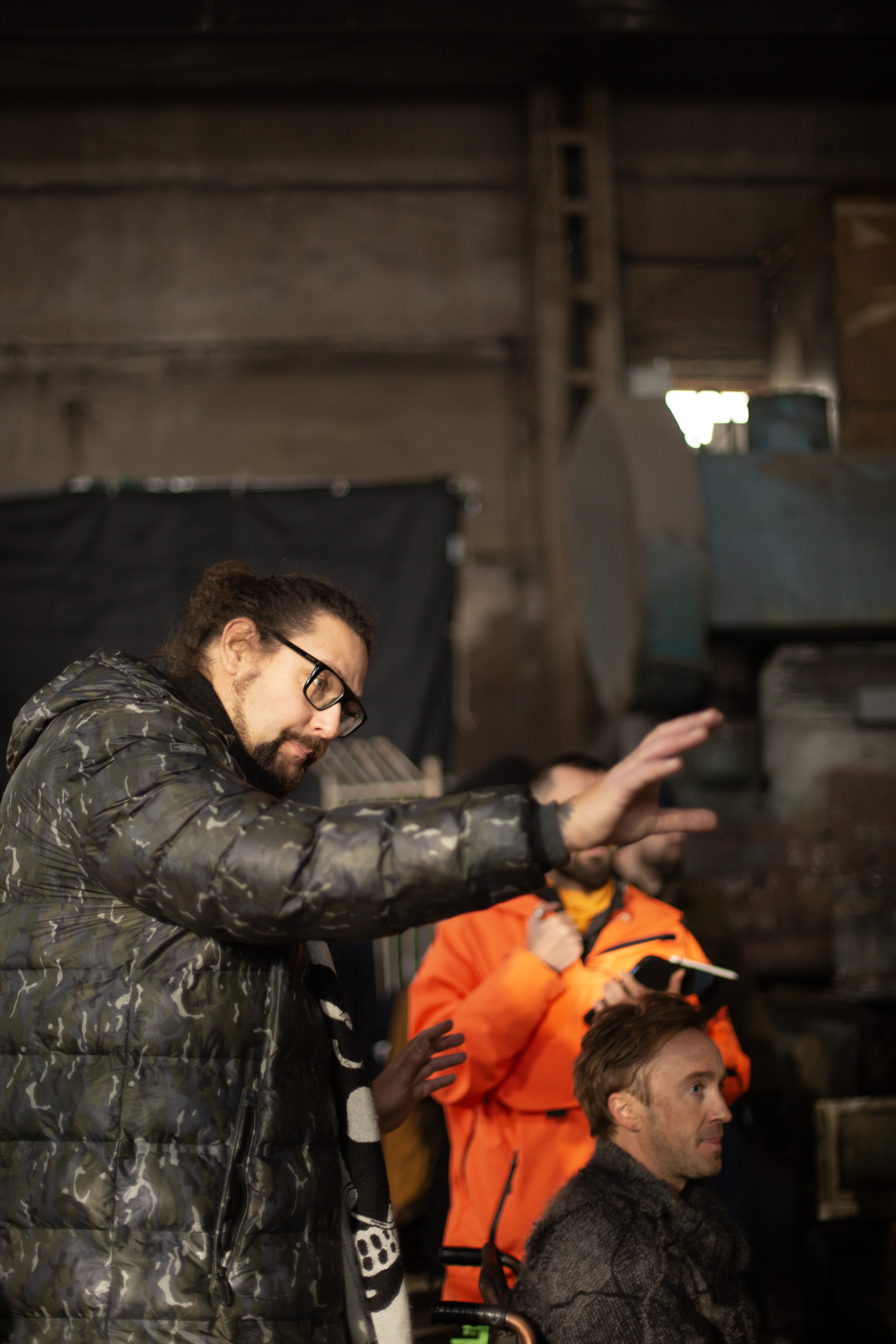
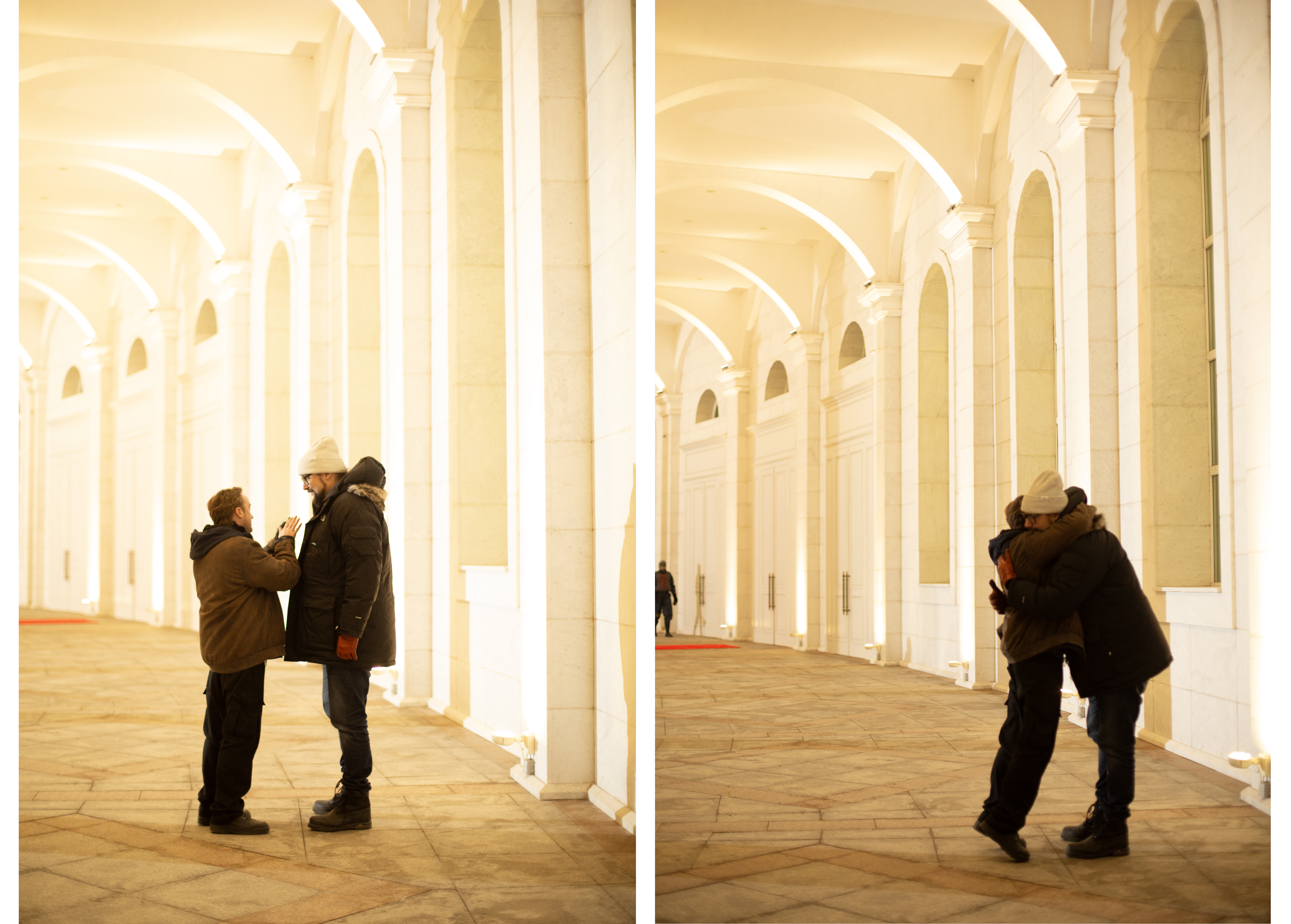
Sometimes, all the direction they need is just a little hug.

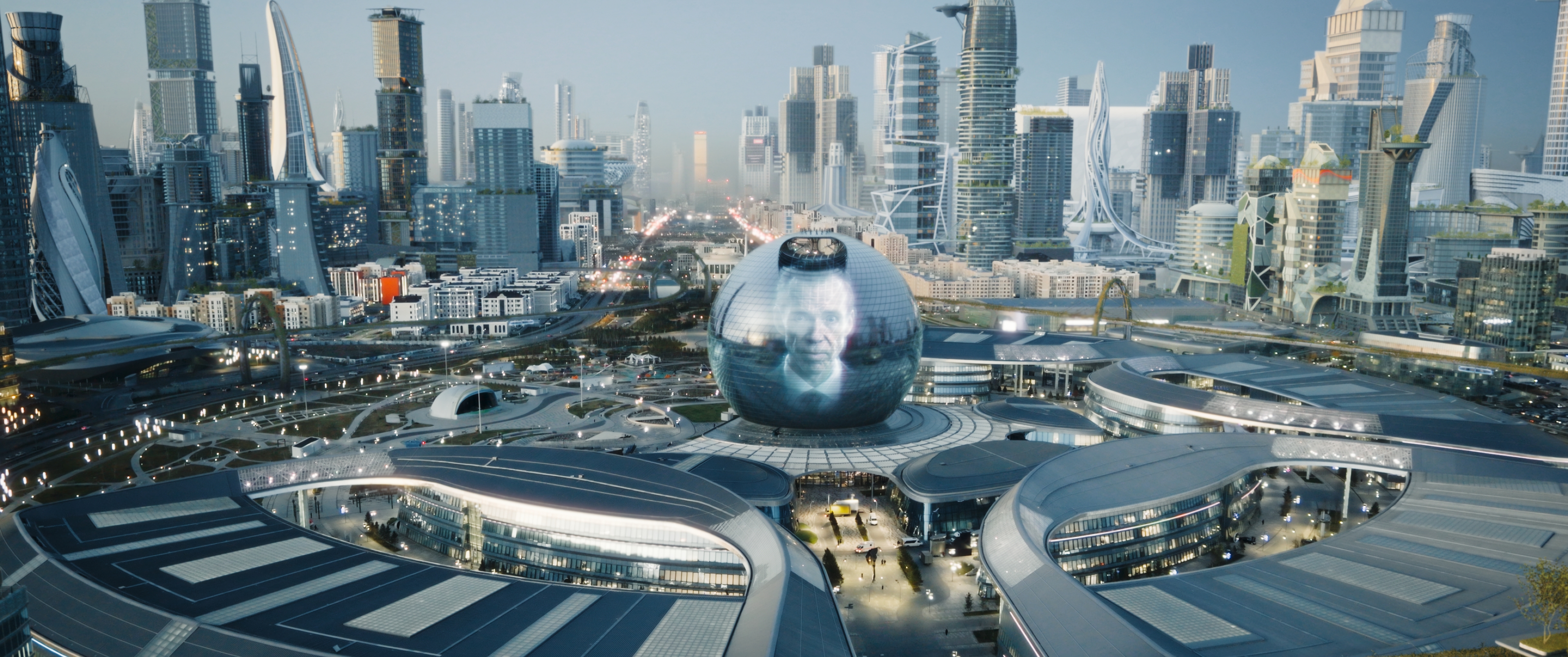
Kazakhstan turned out to be a fantastic playground for filmmakers. We shot in Astana, the capital, chosen for its futuristic skyline — a city that already looks straight out of science fiction. We barely had to add any VFX for the wide shots to make it feel otherworldly.

(Well… a few CG tweaks here and there — but you get the idea.)

The film is coming out soon, and I’ll share the trailer the moment it drops.

Meanwhile, I’m gearing up for two new projects: MIDAIR, a high-tension airplane thriller, and SECOND PEAK, a large-scale disaster movie.

But the big one — the one I’m truly diving into now — is something very close to my heart: DEEP RED.

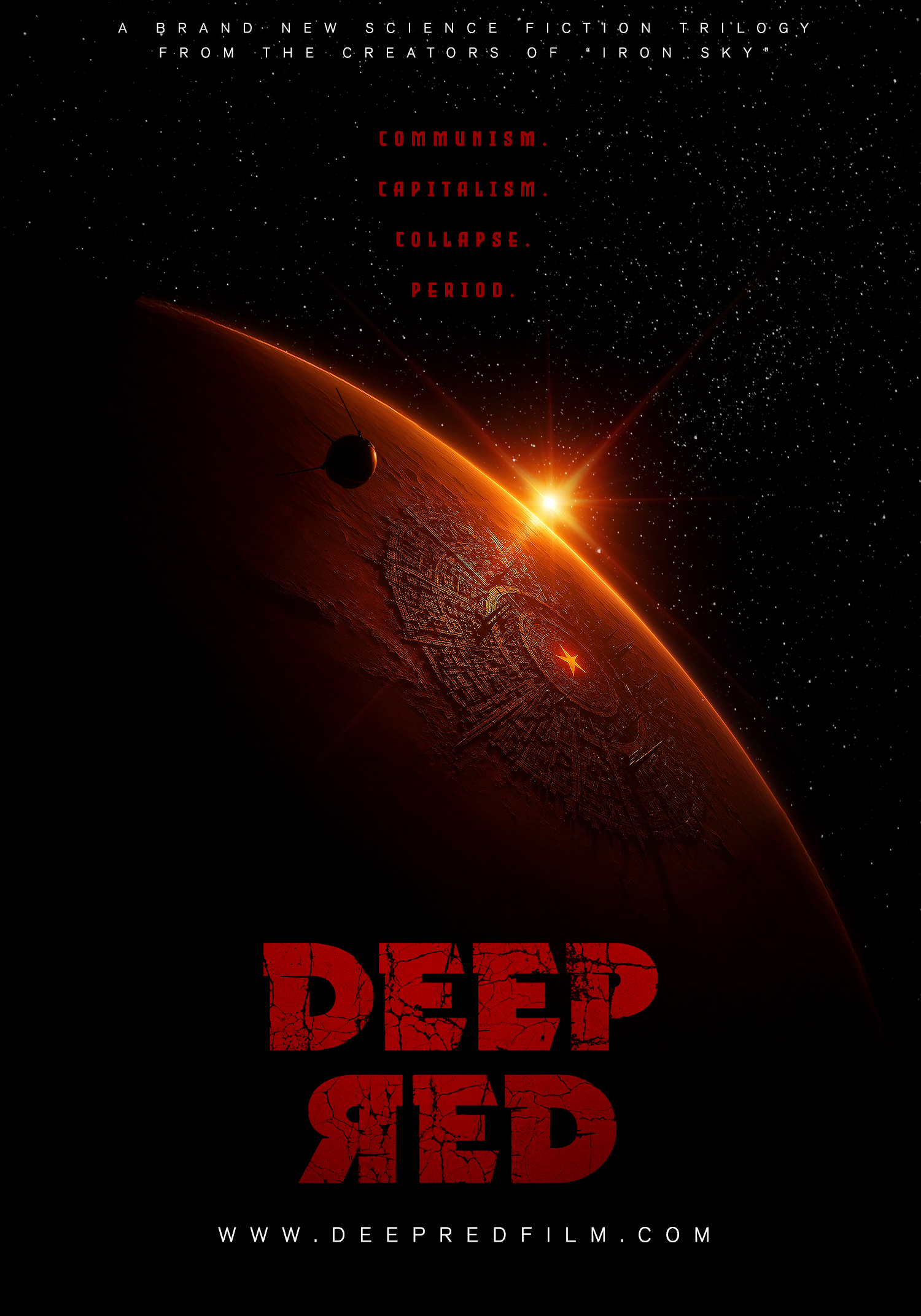
DEEP RED is a science fiction trilogy born from the same creative vein as IRON SKY, but this time we’re going bigger, bolder, and stranger. The story follows an astronaut who crash-lands on Mars and discovers a full-fledged Soviet utopia, thriving under the iron rule of an AI modeled after an old Soviet chess computer.

Here’s our first teaser poster:

We’re reuniting much of the original IRON SKY team and planning to crowdfund again. In a world where traditional film financing is practically extinct, this feels like the only way to build original IPs without the strings of major studios.

www.deepredfilm.com

Anyway, have a beautiful October y’all! See you on the Dark Side of Mars!

filmmaking, Life, Opinions

Subtitles In English, please!


1 Comment

Finnish audiovisual culture is at a crucial turning point. As a newly minted NATO member and an increasingly prominent player on the global stage—both as an independent nation, a European country, and a Nordic state—Finland is drawing more international interest than ever before. At the same time, the country’s immigrant population is growing rapidly. In 2000, only about 2% of Finland’s population (100,000 people) had a foreign background. By 2025, this number has risen to roughly 9% (500,000 people), and projections estimate that by 2045, it will reach 15%—around one million residents. (Stats: Tilastokeskus)

In an increasingly globalized world, cultural visibility is key. Finnish culture is gaining international recognition, yet an unfortunate barrier remains: language accessibility.

Havumetsän lapset (English: Once Upon A Time In Forest) is a Finnish-language documentary about an internationally crucial topic of forest preservation, which has been seen and distributed worldwide in many countries. In Finland, it’s only available in Finnish language, with Swedish subtitles. Image capture from YLE Areena.

Finns are known for their strong English skills—Finland ranks seventh globally in English proficiency, with approximately 75% of the population speaking English at a functional level. Despite this, Finland’s second official language is Swedish, spoken conversationally by only around 15% of the population. Due to its official status, all Finnish media—films, TV shows, and documentaries—must be subtitled in both Finnish and Swedish, but not in English.

I became acutely aware of this issue after marrying a British citizen who, unsurprisingly, doesn’t speak Finnish. We watch a lot of films and TV together—partly out of personal interest, partly due to our professions—and I’ve made it my mission to introduce her to Finnish culture. She has enthusiastically embraced it, eager to explore our history, arts, and storytelling. But time and again, we hit the same roadblock: the language barrier.

Finland produces 15-20 feature films a year and for example in 2022, 30 TV shows, the vast majority in Finnish. However, Finnish productions rarely travel beyond film festivals, making domestic platforms the main place to watch them:

  • Movie theaters, where Finnish-language films are subtitled in Swedish.
  • Streaming services like YLE Areena, Netflix, and Viaplay, which typically offer subtitles in Finnish and Swedish.
  • Online rental services (Apple TV, Blockbuster, Viaplay), which provide subtitles in Scandinavian languages—but never in English.
  • Physical media (Blu-rays and DVDs), which also omit English subtitles despite offering Scandinavian options.
Too often on Netflix and other Nordic-available streaming services, the subtitles are available in several languages, but nearly never in English. Only exception I found was Lapua 1976, which indeed had English subtitles.

This means that unless a film is screened at Orion Cinema in Helsinki (one of the only places offering occasional English-subtitled screenings) or showcased at a film festival, there’s no legal way for non-Finnish or non-Swedish speakers to access Finnish media—except through piracy. And while AI-assisted subtitle generation is improving, is that really the direction we want to push viewers toward?

The lack of English subtitles disproportionately affects Finland’s growing immigrant population, effectively locking them out of Finnish-language entertainment. Media plays a crucial role in cultural integration, particularly for young immigrants, yet Finnish TV and film remain largely inaccessible to those who don’t speak Finnish or Swedish. This results in an entire segment of Finland’s population growing up without exposure to Finnish media, culture, and storytelling.

The irony of it all is that English subtitles already exist for most Finnish productions. They are created for when shopping for international distribution and trying to get access to film festivals, meaning the content is already subtitled. Yet, for some reason, these subtitles are rarely made available to domestic audiences. Given how simple it is to add subtitles to digital media (and even physical releases), there’s no logical reason why platforms like Netflix, Apple TV, Viaplay, YLE Areena, and others don’t include an English subtitle option.

I know there will be pushback—”Yes, but…” arguments — but let’s be clear: it’s 2025. This is entirely doable. Finnish films and TV shows are some of our best cultural exports, rich in storytelling, history, and artistic vision. Right now, Finland is primarily known abroad for sports figures and dancing politicians and handful of dated clichés — isn’t it time our cinema and television were given a chance to represent us internationally?

And there’s money in it, too! Expanding accessibility means expanding audiences—both among Finland’s growing non-Finnish-speaking population and internationally. More viewership equals more revenue. It isn’t rocket science to calculate this.

Nowadays, I try to watch Finnish content with my wife and act as a simultaneous translator. I’ve grown pretty good at it, you should see me at work, but honestly, that’s not a very viable solution – and doesn’t work at movie theaters, by the way.

So, to all major streaming and media platforms—Netflix, MAX, Disney+, Apple TV, Viaplay, Elisa, Ruutu, YLE Areena—add English subtitles to Finnish content. And to Finnkino—start scheduling English-subtitled screenings of Finnish films. You can do this!

This is a cultural investment, a step toward accessibility, and a decision that will pay off financially, too.

Festival Circuit, filmmaking, Life, Oscars

Only in Vegas!


No Comments

There’s a saying, which goes like this: “What happens in Vegas, stays in Vegas.” It’s a city slogan R&R Partners came up in 2003 to promote the carefree adult playground atmosphere of Las Vegas. Prior to this, the city’s been known as the “Entertainment Capital of the World” and people have been telling that “Vegas is calling”. Whatever the case, the city has been pumped full of expectations of the naughtier nature and unsurprisingly, the moniker “Sin City” is well earned.

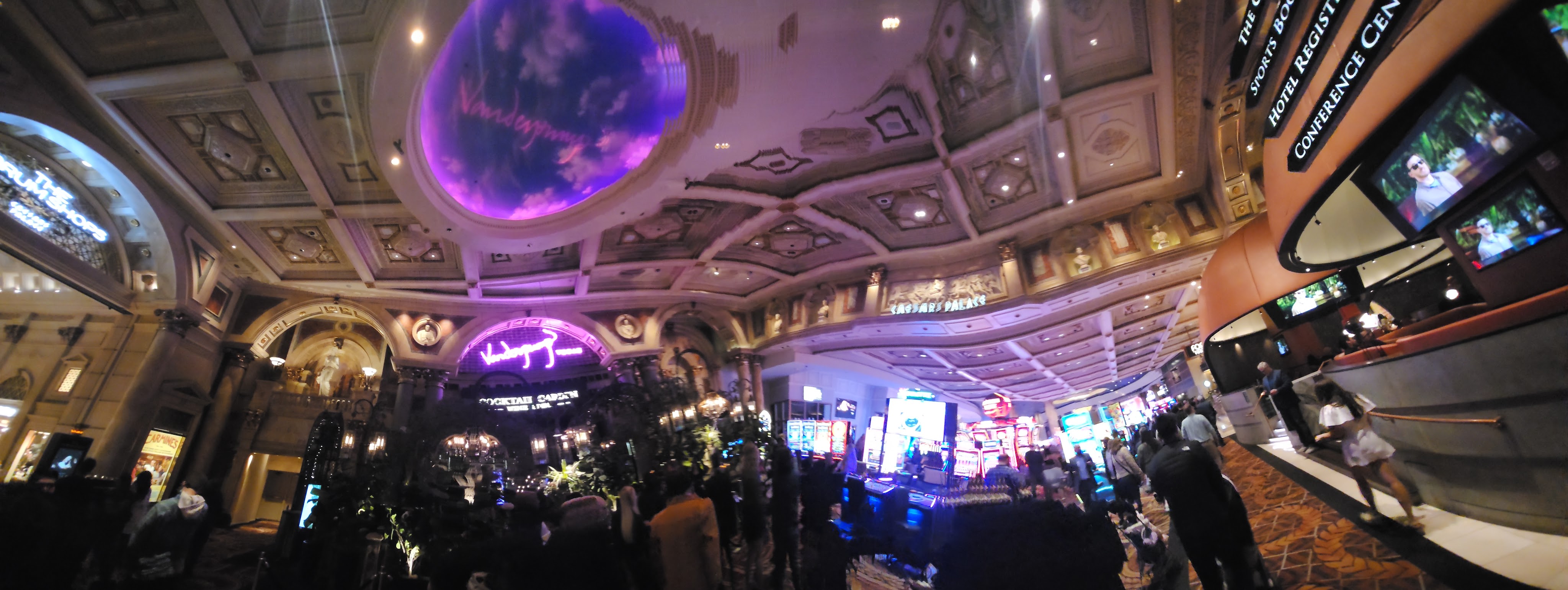
None of this is real. Not even the ‘blue sky’, it’s just a projection.

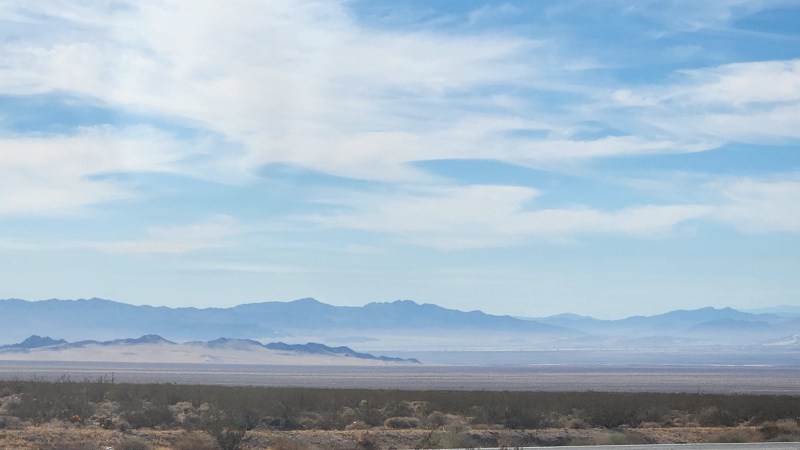
So, it goes without saying that I’m not going into too much detail about what happened on our trip to Vegas because, well, some things really should stay there. What I can share is that it involved countless casinos, a visit to a multi-millionaire’s mansion, and one of us—me or my producer Tero (I’m not saying who)—vomiting all over our Airbnb. We explored dingy bars tucked away in the side streets beyond the flashing lights of Fremont Street, dined at Robert De Niro’s restaurant, downed multiple bottles of ridiculously expensive sake, and embarked on long road trips through the Nevada desert, nervously wondering if our driver’s unpaid speeding tickets might catch up with us.

Weird world of Vegas casinos.

But we made it through in one piece, weirdly so. We returned back to Los Angeles from where our journey to Vegas’s American Film Market begun a few days prior and arranged a bunch of meetings with business associates we knew, to pitch our horror film projects. We met with Marvel writers, Netflix casting agents, independent producers and such likes, in places such as Roosevelt Hotel, where they had held the first-ever Oscars almost a hundred years ago.

A view from our AirBnB in LA.

Second to last night, we went downtown to a cool little Asian joint, to catch up with someone I knew from before.

This guy was late—not just 10 minutes like he claimed, but a solid 45. His excuse? “Traffic in LA, man.” Sure, maybe he came from some congested part of town, but it didn’t seem likely. When he finally showed up, he strutted in like he owned the place, talking nonstop about himself, his projects, and even griping about Finland after a brief visit there months ago. It was an odd start to an evening that was supposed to be a thank-you dinner for helping him connect with some important players in the business.

Over Asian food, the guy, a visiting talent agent from Europe with a few projects to pitch, did what he does best: sell himself. He promised “dinner’s on me” earlier in the week, but when the bill came, he didn’t touch it. Instead, we ended up splitting it three ways while he griped about tipping in LA. Sure, tipping culture can be annoying, but that’s hardly groundbreaking. After some nudging, we convinced him to leave a tip, though it felt more like babysitting than dining with an industry professional.

The real train wreck came when he revived an old dispute with a business associate, refusing to drop the subject despite our efforts to steer the conversation elsewhere. He kept digging until we’d had enough, and we left in frustration. He ran after us with half-hearted apologies, trying to smooth things over, but it was clear – he was his own worst enemy.

Honestly, I couldn’t stay too mad — he has to live with himself, and luckily…

I don’t.

Tero among the stars.

The trip ended with one of us—no names, of course—vomiting all over our LA Airbnb. It had to be the Norovirus, taking us down one by one. A lovely souvenir to bring home to your girlfriend, as someone might have done. Not naming names.

So, did we succeed? Did our little horror film secure funding, cast, and production dates? Absolutely not. (Not yet, at least.)
But was it a good trip?

Mos def!

Life

Muistoja matkan varrelta: Älymystön Venäjä-rundi, osa 4


No Comments

Edelliset osat Älymystön kiertuepäiväkirjasta Venäjä-reissulta vuodelta 2006 löytyvät täältä, täältä ja täältä.

24.2.2006 – Paljon noisea tyhjästä

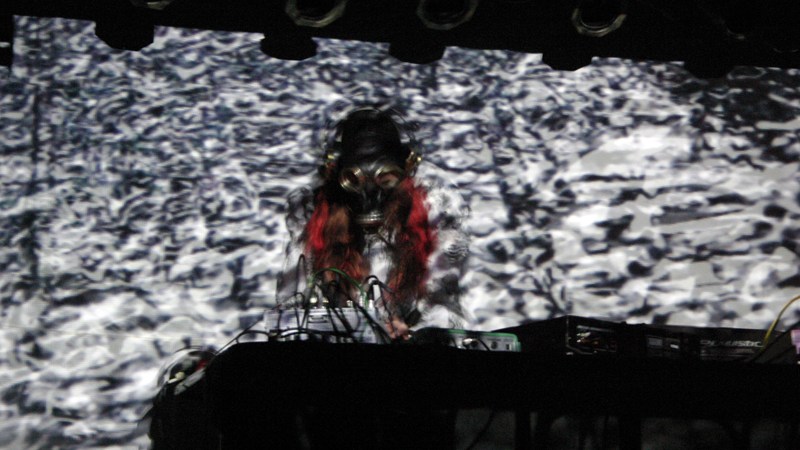
Lavalla on venäläisellä tavalla kaunis, pussihousuihin pukeutunut nainen, joka vääntelehtiisairaanloisen oloisena ja kirkuu mikrofoniin eläimellisesti. Vieressä pitkähiuksinen mies karjuu manifestia, taustalla tasaista, kirskumisista ja staattisesta häiriöäänestä koostuvaa äänimuuria ylläpitää rastapäinen mies ilman paitaa. Kyseessä on Noises of Russia -orkesterin konsertti Moskovassa, Dom-klubilla. Talo on puoliksi täynnä ihmisiä, ja kaikki tuijottavat hypnotisoituina esitystä. Tätä on venäläinen noise parhaimmillaan, hyvin harrasta, hidasta ja tasaista, hyvin taidevetoista. Olen äärimmäisen vakuuttunut keikasta, en muista kokeneeni vastaavalla tavalla voimakasta kulttuurielämystä ikuisuuksiin. Ehkä ikinä?

Mistä noise-musiikissa sitten on kyse? Lopultakin, se on häiriöäänten käsittelyä ja outoja ääniä koottuna teoksiksi, joille annetaan erikoisia nimiä. Se on kuitenkin hyvin paljon enemmän, se on eräänlainen vastalause nykypäivän kulttuurille, elokuville, musiikille ja kaikelle taiteelle, joka on laimentunut niin, ettei se kykene saamaan aikaan minkäänlaista iskuvoimaa. Noise liittyy usein monenlaiseen muuhunkin nykytaiteeseen – moderniin tanssiin, maalaustaiteeseen, runouteen, performanssitaiteisiin. Se on hyvin voimakas, uudenlainen ja tuore leikkikenttä taiteille ja synnyttää huomispäivän korkeakulttuuria. En pidä lainkaan mahdottomana, että viidenkymmenen vuoden päästä pukuihin pukeutuneet tutisevat papat istuskelevat Tampere-talossa kuuntelemassa superraskasta noiserääkkäystä. Jos haluaa kehittää kulttuuria, täytyy lähteä liikkeelle syvästä päästä.

Accommodation in Moscow
Majapaikkamme Moskovassa. Valokuva: Janos Honkonen.

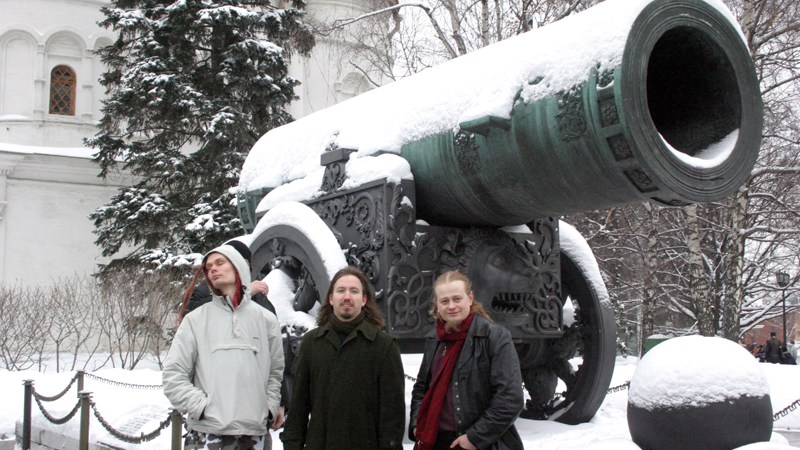
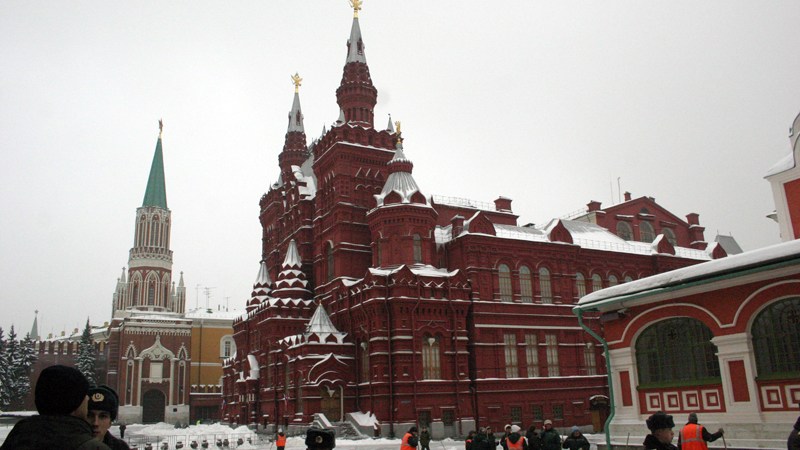
Menimme eilen keikkojen jälkeen juopottelemaan aamuun asti muuan äärimmäisen mukavan moskovalaisen pariskunnan kämpille, huudatimme musiikkia ja naukkailimme vodkaa, jota tuli toden totta juotua hämmästyttäviä määriä. Sammuin itse kesken keskustelun ja löysin itseni aamulla nukkumasta makuupussistani vierashuoneen lattialta. Söimme pienen aamupalan ja lähdimme tapaamaan Goshaa, joka vei meidät jälleen yhdelle mikro traveleistaan. Tällä kertaa pysähdyspaikkana oli muurien ympäröimä Kreml, Venäjän hallinnon keskus, joka tosin nykyään toimii enemmänkin museona. Suuria kirkkoja, isoja rakennuksia ja yllättävä rauha kaikkialla, Moskovan tasaiseen hälyyn totuttuamme. Kremlistä jatkoimme Punaiselle torille ja tarkoituksemme oli vilkaista Leninin ruumista, mutta valitettavasti Lenin ei ollut kotona. Meitä tosin epäiltiin terroristeiksi, ja muutama milisii syynäsi paperimme. Ilden punaiset rastat – jotka ovat melkoinen harvinaisuus Moskovassa – ja Goshan tsetseenitaistelija-look herättivät heidän huomionsa, arvaan.

Lenin's mausoleum
Leninin mausoleumilla.

Saavuimme hyvissä ajoin Domille ja aloittelimme soundcheckin. Kuulostimme taas aivan kauhealta, en kuullut omaa lauluani, mutta jälleen kerran huono soundcheck johti hyvään keikkaan. Syynä varmaan on, että tulee keskityttyä asioihin, eikä tuudittaudu “hyvin se menee” -ajatuksella. Emme oikein istuneet illan henkeen, vaikka pääesiintyjinä olimmekin – meitä ennen oli muuan orkesteri joka soitti maailman ahdistavinta noisea lastenlaulun ryydittämänä, seuraava orkesteri oli taas käytännössä pelkkää staattista kohinaa, mutta hyvin vaikuttava esitys. Kolme kaveria ja pöytä täynnä vanhoja venäläisiä analogisia rumpukoneita, häärivät ja puuhailivat kuin jonkunlaiset insinöörit oudon keksintönsä äärellä. No, ircissä joku sanoi webcamista kuvaa katsottuaan että näyttäisi siltä, kuin kolme nörttiä latailisi pornoa ja ihmiset istuisivat tuoleilla katsellen operaatiota.

Olimme siis melko erilainen bändi kuin pari aikaisempaa. Älymystöhän on nimenomaan rytmistä, noise-elementeillä vahvistettua industrial-mätkettä, joten reaktio yleisön suunnalta oli aluksi hieman huvittunut. Naureskelu kuitenkin loppui kun Ripa alkoi auraalisesti hakata kitarastaan sellaisia viiltoja, että onnistuimme räjäyttämään paikan kaksi kaappia fyysisesti rikki. When we’re in town, the speakers explode, kuten Manowarkin tietää. Tämän jälkeen taisimme onnistua varsin hyvin keikassamme, jälkeenpäin ihmiset tungeskelivat hehkuttamaan esitystä ja kiittelemään, pyysivät nimmareita ja ylistivät meitä Suomen parhaaksi bändiksi. Olin hyvin onnellinen, sillä yksiä suurimpia tavoitteitani Älymystön kanssa on ollut se, että pääsisimme Moskovaan esiintymään.

On stage in Dom / Moscow
Älymystö Dom-klubilla Moskovassa.
On stage in Dom / Moscow
Älymystö Dom-klubilla Moskovassa.
On stage in Dom / Moscow
Herra Haapanen koneissa Dom-klubilla.

Keikan jälkeen ammuimme takseihin ja kiireenvilkkaa rautatieasemalle. Hyppäsimme Moskovan yöjunaan ja kieriskelin hyvän tovin järkyttävässä kusihädässä, kunnes pääsimme sen verran kaupungin ulkopuolelle, että WC:t aukesivat. Sain kuulla Suomen voittaneen Venäjän jääkiekossa neljä nolla, mutta päätimme yhteisesti olla hehkuttamatta menestystä kovaan ääneen. Parin kaljan jälkeen uni vei voiton, ja seuraavaksi raottelinkin silmiäni Pietarin esikaupunkialueiden viilettäessä ohi.

Suuntasimme Pietarin asemalta Platforma-klubille, jossa tänään esiinnymme jonkunlaisessa vapaassa jamittelu-dark-ambient -setissä, emme siis soita Älymystön materiaalia. Mielenkiintoinen ilta on tulossa, nyt voisin uskaltautua paskalle ja sitten ottaa pari shottia vodkaa. Jos hyvin käy, pääsemme Jurille suihkuun ja pikku torkuille ennen iltaa, katsotaan nyt. Parhaillaan takanani on menossa jonkunlainen lasten festivaali, pieniä nassikoita laulaa venäläisiä kansanlauluja hanurin tahdittamana.

Train to St. Petersburg
Junalla Pietariin. Valokuva Janos Honkonen.

Tämä on, veljet ja siskot, hyvin mielenkiintoinen maa.

Tämä oli viimeinen päiväkirjamuistiinpanoni Älymystön Venäjä-kiertueelta vuodelta 2006. Koko reissun kuvagalleria on nähtävissä täällä. Älmystön tarina on jatkunut noista päivistä lähtien tähän päivään asti vaihtelevan aktiivisesti, paikoitellen keikkaillen enemmän, joskus vähemmän ja pääasiassa Suomessa, joskin visiittejä myös etelänaapuriin tehtiin tasaisesti.

Tätä nykyä Älymystö lepäilee laakereillaan eikä kovin aktiivisesti kokoonnu tai tee musiikkia saatikka keikkaile, mutta suunnitelmia jonkunlaisesta reunion-vetäisystä on aika ajoin ollut. Katsotaan, mitä tulevaisuus tuo tullessaan.

Life

Muistoja matkan varrelta: Älymystön Venäjä-rundi, osa 3


2 Comments

Edelliset osat päiväkirjamerkinnöistä Älymystön Venäjä-rundilta vuodelta 2006 löytyvät täältä ja täältä.

23.2.2006 – Vodkaa Punaisella torilla

On kahdenlaista vodkaa: sitä, joka maistuu bensiiniltä ja sitä, joka maistuu hieman suolaiselta vedeltä. Juon nyt ensimmäistä mallia ja hiljaksiin humallun kohti mukavaa peruspörinää. Olemme Dom-klubilla, Moskovan keskustan liepeillä sijaitsevassa pienessä keikkapaikassa, jossa järjestetään kaksipäiväisen festivaalin pari seuraavaa keikkaa. Tänään ohjelmassa ei ole meidän keikkaa, joten keskityn vain juopotteluun, huomenna täytyy ajatella hieman sitä mitä lavalla tapahtuu. Festivaalien vuoksi myös noise- ja taidepiirit ovat liikahtaneet paikan päälle katselemaan kummallista pörinää, jyrinää ja räiskettä.

IMG_6929
Älymystö saapuu Moskovaan.

Istuaröhnöttelen parhaillaan klubin parvelle sijoitetuilla patjarakennelmilla ja nakuttelen tekstiä. Viereeni pölähti juuri venäläinen pojankloppi joka toivotti hyviä militarydayseja, vieressäni on joukko tapahtuman järjestäjiä, nätti tyttö, intiaan friikahtanut jätkä ja tylyn näköinen motoristi. Harmi, ettei kukaan juuri puhu englantia, joten kommunikointi on lähinnä viittelöintiä naureskelua ja onomatopoetiikka. Kaikki ovat joka tapauksessa todella ystävällisiä, ja sehän riittää.

Dom
Dom-klubi Moskovassa. Valokuva: Janos Honkonen.

Heräilimme aamulla junasta joka pysähtyi Moskovan rautatieasemalle. Monet venäläiset klassikot alkavat samasta asetelmasta: mies saapuu Pietarista Moskovaan, ja sitten asiat alkavat mennä päin seiniä. Itse raahauduimme rojuinemme kaikkineen ulos, jossa meitä odotti mitä epäluotettavimman näköinen venäläinen taksikuski, jolle juuri kyseenalaistamatta luovutimme koko mukana liikuteltavan omaisuutemme. Itse päätimme mennä klubille metrolla, mikä olikin melkoinen kokemus näin helsinkiläisiin maanalaisiin tottuneille. Vanhaa, rapistunutta mutta upean tsaarahtavaa koristelua kaikkialla, suunnattomia kuviointeja ja kovaääniset, viisikymmenlukulaiset metrot. Ensimmäisenä ovista sisään astuessamme jouduimme keskelle jonkunlaista nuorisojoukon tappelua, jonka onnistuimme välttämään parilla nopealla liikkeellä. Siinä, missä Helsingissä on kaksi metrolinjaa, Moskovassa on kymmenkunta, ja raiteet on pinottu allekain.

Klubi sijaitsee hauskassa nurkkauksessa talojen välissä, ja täällä ovat soittaneet niin Djivan Gasparyan kuin Hamid Drakekin, joten varsin arvostettujen taiteilijoiden jalanjälkiä seurailimme kun raahasimme tavaramme lavan tuntumaan. Tovi haahuilua, ja sitten matkaan tekemään yksiä isäntämme Goshan nk. ‘mikro toureja’, mikä tarkoittaa parin-kolmen tunnin kävelylenkkiä läpi kaupungin kiinnostavien alueiden. Jos kiinnostaisi, ne voisivat olla nautittavempia, mutta onneksi ainakin Ripa ja Janos ovat melko täpinöissään.

Microtravel
Isäntämme Goshan mikrotravelilla. Valokuva: Janos Honkonen

Täytyy sanoa, että kaupunki on todellakin aivan helvetillisen kokoinen. Kävelimme Punaiselle torille, joka tosin oli suljettu jonkunlaisen seremonian takia, juhlapäivä kun kerran oli. Löysin tuliaiskaupasta mahtavan paidan. Siinä on iso Juri Gagarinin kuva ja teksti CCCP ja GAGARIN. Mahtavaa!

Gosha johdatti meidät vanhojen – paino sanalla ‘vanhojen’ – kommunistien kokoontumiseen Punaisen torin laitamilla, jossa ihmiset lauloivat Pirkin hymniä (“The Internationale”) että seinät raikuivat ja punaliput liehuivat korkealla. Ironista kyllä, kyseinen kokoontumispaikka oli vuorattu niin valtavan kokoisilla Canonin ja Nokian mainoksilla, että niiden mahduttaminen yhdenkään rakennuksen kylkeen Suomessa olisi mahdotonta.

IMG_6926
Kirkko. Valokuva: Janos Honkonen.
More sightseeing

Pysähdyimme vähän matkan päähän juomaan vodkaa. Täällä Vodkaa juodaan porukassa niin, että pullo mehua ja viinaa kiertää ringissä ja pullot juodaan tyhjiin. Mukava perinne. Alkoi epäilyttää vodkan sisältö, kun parin huikan jälkeen jostain materialisoitui viereemme ilmeisesti koditon kääpiökokoinen vanha mies joka alkoi laulaahoilottaa Santa Luciaa upealla tenoriäänellä. Hetken aikaa katselimme, näkivätkö kaikki muutkin sen, mitä me, ja ilmeisestikin näkivät muttei kukaan juuri kiinnittänyt huomiota.

Matka jatkui läpi pienten kojujen puistoon, jossa Ilde sai paljon huomiota parilta kommarikokoontumisesta kotimatkalla olevalta maatushkalta rastojensa takia. Mummot kantoivat punalippua kourassaan ja otimme läjän valokuvia, sen jälkeen he alkoivat parjata Suomea ja vannoivat kaatavansa Kremlin. Erikoista väkeä.

Palailtuamme Domiin jätkät alkoivat järjestellä tapahtumaa, ja ilta eteni torkkujen ja vodkan siivittämänä. Nyt ruudulla pyörii video rytmikkään warambientin (räjähdyksiä, laukauksia ja telaketjujen kitinää) tahdittamana.

Tästä on hyvä jatkaa.

Huomioita Venäjältä, osa 3.

Venäjällä jokainen porttikongi on trillerin aloitus. Toisin kuin Suomessa, jossa porttikongista pääsee sisäpihalle ja sieltä sisään rakennukseen, täällä jokaisessa porttikongissa on jotain outoa tai jotain viallaan. Jolleivät ne ole ylilavastetun Hollywood-elokuvan näköisiä kauhunurkkauksia, niissä tapahtuu parhaillaan jotain outoa aktiviteettiä. Bongasimme mm. oudosti hiippailevia ihmisiä, miehen joka istui kopissa lakki päässään vakavan näköisenä, rekka-auton jota lastasi kaksi kiireisen ja pelokkaan näköistä miestä, ja liudan todella outoja arkkitehtonisia ratkaisuja.

Täällä rikkaimmat erottuvat sinisellä vilkulla auton katolla. Olisi mukava hankkia sellainen itselleen. Ei tosin ole autoa, mutta voisin laittaa sen päähäni ja mennä eri paikkoihin.

Life

Muistoja matkan varrelta: Älymystön Venäjä-rundi, osa 2


3 Comments

Edellinen kappale vuoden 2006 Älymystön Venäjä-rundimuisteloita löytyy täältä.

22.2.2006 – Moskovan pasuunat

Istun junassa jossakin Pietarin ja Moskovan välissä. Matkaa on takana seitsemisen tuntia, ja lumivaippaan verhoutunut Venäjä lipuu ohitseni paikallisen popin siivittämänä. Sain nukuttua jokusen tunnin, mutta epäilyttävä, liian vähän unen tekemä pieni päänsärky jyskyttää etuotsalohkossa. Ilde yrittää torkkua vielä vieressä, Janos ja Ripa ovat tiettävästi umpiunessa.

Night train
Night train to Moscow. Photo by Janos Honkonen.

Heräsimme aamulla omia aikojamme, ja sain taas ikävän muistutuksen siitä, mitä haittaa leveistä harteista on: pää retkottaa pienissä tiloissa nukuttaessa mahdollisimman epäergonomisessa asennossa. Siltikin, oli hyvä ottaa kunnon unet, sillä tulevana muutamana päivänä luultavasti niitä ei juuri suoda. Tämä yö meni junassa nukkuessa, mikä on varsin vaikeaa, sillä vaikka venäläiset junat ovatkin hieman leveämpiä, varsinaista tilaa ei silti ole kovinkaan ruhtinaallisesti istuimissa. Tulevana iltana juomme luultavasti rehevät humalat, ja seuraavana yönä taas nukumme junassa Moskovasta Pietariin takaisin.

Saatuamme revittyä itsemme ylös, raahauduimme etsimään ravintolaa, mikä oli järkevää, sillä juuri muuta mahdollisuutta lämpimälle ruualle ei päivän aikana siunaantunut. Kävimme uzbekistanilaisessa raflassa syömässä vartaita ja kylmää alkukeittoa – uskomattoman herkullinen ateria, liha oli parhaita ikinä syömiäni palasia kuolleesta eläimestä. Tämän jälkeen oli luvassa bussikyyti, jota ei koskaan tullut, joten käytimme paikallista perinnetta hyödyksemme: käsi ojoon tien risteykseen. Pari Ladaa pysähtyi vierelle, ja köröttelimme keikkapaikalle. Täytyy sanoa, että tämä on perinne jota toivoisi Suomessa myös nähtävän, sen verran yksinkertainen ja itsestään selvä koko homma on: viittilöit yksityisauton pysähtymään, sovit hinnasta ja hyppäät kyytiin. Autoilijat tekevät muutaman ylimääräisen ruplan ja ihmiset eivät joudu luottamaan perin epäluotettavaan taksijärjestelmään, joka ilmeisesti perustuu turistien kusettamiseen ja ylihinnoitteluun.Suomessa on tottunut, että kaksi tahoa joihin voi luottaa, ovat poliisi ja taksi. Itäisessä euroopassa molempia kannattaa pyrkiä välttämään viimeiseen asti.

Sleety view of Moscow
Moscow streets. Photo by Janos Honkonen.

Olemme ilmeisesti Moskovan esikaupunkialueella. Järkyttävän kokoiset lähiökerrostalot vyöryvät ympärillämme.

Keikkapaikkana oli Zorro -niminen klubi, jonka oli hankkinut hetki sitten paikallinen rock-hahmo ja järjestänyt siitä kelpo keikkapaikan pietarilaisille. Melko iso luukku, hyvät äänentoistovälineet ja tilava lava, mistä noin vokalistina pidän, vaikken kovin tehokkaasti tilaa osaakaan käyttää. Mieluiten seison paikallani, polvistelen, heijaan hieman puolelta toiselle ja vähän jumpsutan tahdin mukaan.

Soundcheck kuulosti hirveältä. Kaikeksi onneksi itse keikka meni kuitenkin kutakuinkin niin hyvin kuin voi toivoa. Parissa ekassa biisissä katosi tahti, mutta ne ovat sen verran raskasta noisea että sitä tuskin huomasi kukaan. Loppupuolta kohden olimme tiukkoja – voisin sanoa jopa, että hyvinkin tiukkoja.

On stage in St. Petersburg

Keikan jälkeen minuun liimautui pari venäläistä humalaista noise-fania jotka puhuivat kovasti jotain, mutta sanaakaan en ymmärtänyt, vaikka kieli olikin englantia. Kovasti oli pojilla toden totta asiaa, HIM ja Rasmus vilahtelivat siellä ja täällä, jossain vaiheessa he puhuivat tytöistä ja pojista ja yhdessä hetkessä taas homoista. Mitä lienevätkin ajaneen takaa.

Pakkauduimme taksiin ja hinasimme itsemme Moskova-asemalle, josta junaan, ja täällä sitä istutaan edelleen. Tiettävästi kohta olemme perillä, mikä sopii enemmän kuin hyvin.

IMG_6919
River Moskva. Photo by Janos Honkonen

Ai niin, tapahtuma jossa olemme esiintymässä on kolmipäiväinen häppäri puna-armeijan perustamisen kunniaksi. En oikein tiedä miksi he halusivat suomalaisia mukaan, me kuitenkin mätöimme kyseistä armeijaa talvisodassa enemmän tai vähemmän turpaan (ja otimme toki samalta joukolta vähän myöhemmin levyymme niin että kaikui), mutta kovastipaljon kaikki tuntuvat pitävän suomalaisista.

Huomioita Venäjältä, osa 2.

– Taksiautoilun sijaan ihmiset seisovat tien poskessa ja viittaavat yksityisautoja pysähtymään, ja järjestelmä todella näyttää toimivan.

– Juuri kukaan ei puhu järkevästi englantia.

– Kaikkialla on pieniä punaisia, vihreitä ja sinisiä kertakäyttömukeja. En tiedä tulevatko ne jonkunlaisian pakollisina survival kitteinä paikallisille, mutta minne ikinä menemmekin, näitä kuppeja on joka paikassa.

Tarina jatkuu täällä.

Life

Muistoja matkan varrelta: Älymystön Venäjä-rundi, osa 1


2 Comments

Täytin tänään 45 vuotta. Olen siis virallisesti keski-ikäinen. Päädyin kaivelemaan vanhoja arkistoja ja julkaisen seuraavina päivinä hieman muistoja matkan varrelta, kuten meidän ikääntyvien tapana on.

Parikymmentä vuotta sitten – vuonna 2006 – matkustin elämäni ensimmäistä kertaa Venäjälle, bändini Älymystön kanssa. Törmäsin kiertuemuistiinpanoihini tältä reissulta ja jaan ne nyt eräänlaisina kiinnostavina kulttuurihistoriallisina muisteloina hyvin erilaisista ajoista, sekä henkilökohtaisesti, että globaalisti. Artikkelin valokuvat ovat Janos Honkosen ottamia.

Ai niin mikä Älymystö? No, sehän oli ja on varmaan edelleenkin meikämandoliinon, Ilden, Janosin ja Ripan industrialpumppu, joka tosin tällä hetkellä on vähän teloilla. Comebackia odotellessa voi kuunnella meitä vaikkapa Spotifystä tai YouTubesta!

21.2.2006 – Kaksipäisen kotkan varjoon

The eagle
Photo: Janos Honkonen

Kurkkuuni sattuu epäilyttävästi könytessäni läppäriä esiin salkusta. Taisin polttaa vähän turhan paljon tupakkia eilen, vaikka juotua toisaalta ei juuri tullutkaan. Olemme jossakin Pietarin ydinkeskustassa, talossa joka näyttää vallatulta tai siltä, että kaupunki on unohtanut sen olemassaolon joitakin vuosikymmeniä sitten. Rappukäytävässä on ilmeisesti otettu Stalingradin taisteluiden viimeiset metrit, mutta itse asunto taas on persoonallinen, lämmin, kaunis ja positiivisella tavalla täynnä krääsää. Seinällä roikkuu itsetehty steadycam, erikoinen, pitkä ja ahdas käytävä joka yhdistää huoneistoja on täynnä erikoisia eurooppalaisilta haiskahtavia taidevalokuvia, levykokoelmat notkuvat progea, krautrockia ja suomalaistakin hämyilyindustrialia. Huoneemme katto-ornamentti on tehty samoihin aikoihin kuin talokin, 1800-luvulla todennäköisesti, ja se on täynnä ykstyiskohtia. Erikoinen mutta hyvin viihtyisä kämppä.

Lähdimme reissuun eilen aamusella, mutta aivan aluksi tapasimme Samulin ja Mikon kanssa erittäin lupaavan oloisen yhteistyökumppanin, jonka kanssa keskustelimme Energian tulevaisuudesta. Hyvillä mielin kohtasin sitten bändini Lasipalatsin kulmilla: Ilde rastoineen, Ripa kitaroineen, Janos nahkaliiveineen. Edessä oli kolmen keikan Venäjän-kiertue, säästöbudjetilla tietenkin, mutta kokemuksia olemme tänne tulleet hankkimaan, emme suinkaan rahaa. Niinpä kuljetusmenetelmäksikin valittiin tunnelmaan kaikkein sopivin, eli venäläinen bussi. Bongasimme tytön joka piteli Pietari-kylttiä kädessään ja haahuili pitkin Lasipalatsin nurkkia, joten tarrauduimme mukaan ja meidät retuutettiin hieman heiman ränsistyneen bussin kyytiin. Heti alkajaisiksi umpihumalainen venäläinen mies tuli esittelemään valtavan kokoisia nyrkkejään ja puhelintaan, kertoen olevansa miliisi ja nyrkkeilymestari Pietarista, ja vaati saada puhelinnumeromme. Emme antaneet, ja lopulta ukko suostui luovuttamaan. Sitten bussi ampui täyteen venäläisiä mummoja kädet ostoskasseista notkuen, ja matka alkoi kaalikeiton, majoneesileipien ja jogurtin leppeänimelässä tuoksussa.

Todellakin, tunti jos toinenkin tuli posoteltua eteenpäin: bussissa istuimme kutakuinkin 11 tuntia, mikä oli neljänsadan kilometrin matkalle kohtuullinen suoritus. Mutta selitys löytyi nopeasti: auto pysähteli jokaisessa mahdollisessa pienessä, suuressa tai keskisuuressa marketissa, kalakaupassa ja kahvilassa, jolloin maatushkat vyöryivät ulos ja katosivat putiikkien uumeniin, tuoden aina vain lisää kasseja mukanaan. Neljännen markettipysähdyksen kohdalla alkoi epätoivo jo kalvaa, kahdeksannen kohdalla en jaksanut enää juuri kiinnostua.

Pit stop on our way to Russian border
Pit stop on our way to Russian border. Photo by Janos Honkonen.

Lopulta kaikki tuntuivat saaneen tyydytettyä ostohimonsa ja pääsimme rajan yli, tärryytimme rekkajonojen ohi tipan verran huimapäisine ohituksine lopulta, yön pimennyttyä Pietariin. Muut bändiläiset ihastelivat kaupunkia, itse keskityin lähinnä odottamaan bussista ulospääsyä. Täytyy myöntää, että olen erittäin huono matkailija: minua ei kiinnosta muut kaupungit, kulttuurit tai oikeastaan mikään muissa maissa, tipan vertaa. Kaikkein onnellisin olisin, jos kaikki voisivat raahautua Suomeen, Tampereelle – Helsinkiin hätätapauksessa – mutta matkustaminen ja nähtävyyksien tuijottaminen ei kiinnosta. Ei niin, että Suomessa sen auvoisempaa olisi, mutta helpompaa nyt ainakin minulle.

Microtravel in St. Petersburg

Tapasimme isäntämme, Noises of Russia -bändin kaverit, ja suuntasimme syömään. Kaalikääryleitä, lihaa, kalaa ja muuta mukavaa huuhdoimme oluella, borcht-keiton ryydittämänä tietenkin. Sitten tavarat kämpille ja parin tunnin kaupunkikierrokselle.

Täytyy myöntää että isoimmat aukiot tekivät vaikutuksen. Hillittömiä taloja hienosti valaistuna, pylväitä pilareita ja Venäjän historiaa.

Mutta lopulta, ylisuuri Turkuhan tuo Pietarikin näyttää olevan.

Ice sculptures
Ice sculptures in St. Petersburg. Photo by Janos Honkonen

Huomioita Venäjästä, osa 1

En pidä kovinkaan rakennuksista, mutta pari hauskaa yksityiskohtaa bongasin. Ensinnäkin: liikennemerkeissä on deadline. Sekunnit juoksevat valon vaihtumiseen, tuntuisi että minä ainakin painaisin viimeisten epätoivoisten sekuntien kohdalla kaasua, mutta ilmeisesti se toimii. On toisaalta outoa kun katsoo minne tahansa, ympärillä sekunnit juoskevat nollaan. Viisi, neljä, kolme (käännös) neljä kolme (käännös) kolme kaksi yks (käännös) yksi nolla.

Kaupungin huoltokoneissa ei ole kansia. Ohitsemme jyräsi vanha vihreä armeija-tyyppinen puhdistusauto, jonka mustunut hiekanpoistokoneisto oli viehättävällä tavalla näkyvillä. Siinä oli sitä peräänkuuluttamaamme industrialia.

Tarina jatkuu täällä.