Wanda Studios in Qingdao are bound to become the biggest film studios in the world, when the additional buildings are finished later this year, and I have no trouble believing it. Riding through the rather unimpressive gates, the first thing you recognise is that there are no huge logos hanging above them like in Paramount or Universal studios, but then again, there’s neither the same charm since they only made a handful of films there so far, not like the other ones with nearly 100 years of history.
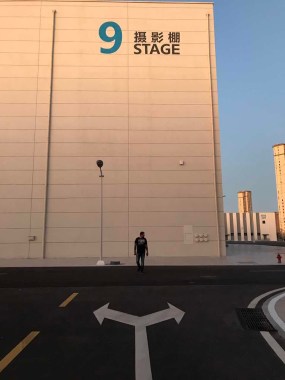
The studio lot itself is typical: big, square-shaped white and rather uninteresting buildings line the empty streets – riding around in a golf cart makes you feel almost like being on a university campus after an aggressive Zombie outburst. Only thing missing is some of them creepers starting to swarm out from one of the buildings…
These studio halls house some of the biggest film productions in the world today. Just recently, they had wrapped shooting Pacific Rim 2, so you get the scale. Many of them are, of course, Chinese pictures, but nowadays, as the Americans are hungry for slice of the Chinese markets, more and more films are done either completely or partially here.
Inside the studios is – of course – nothing. And that’s the very point of a studio building: it’s a huge hall without anything in it. Well, that’s not true: each building has been built with extreme precision to keep the stages free of any external light or – and that’s another important thing – sound. Thus their alternative name: soundstage. The roofs are built also with complex sets, stunts, light rigs and different kind of green, blue or black screen hangings in mind, so although they rise up to twenty meters in height, the roof structures are easily reachable.
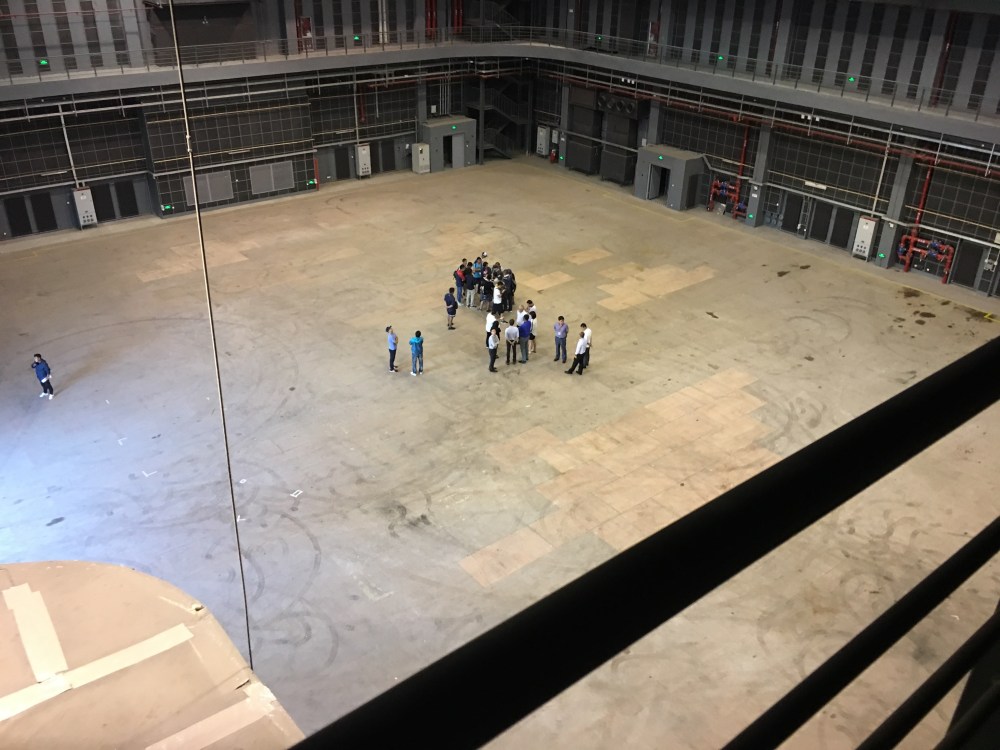
Other than that, studios have very little difference in the structure. Each is different in size – they range from 1500 square meters to 10000 square meters – and some of them may have an water pool (kinda like swimming pool) for underwater shots in them. Then, the filmmakers choose what size sets they build, book the studios and shoot there for as long as required. Each studio has also green rooms, makeup rooms and other stuff like that required for comfortable shoot.
In few words: I love shooting in studio.
Everything is in control. Everything is much faster. Everyone is more relaxed. Everything works better.
So, I’m happy we get to shoot quite a lot in the studios. It’s more convenient and effective. If it was up to me, we would build everything in studio, but… well.

We’d run out of money very quick.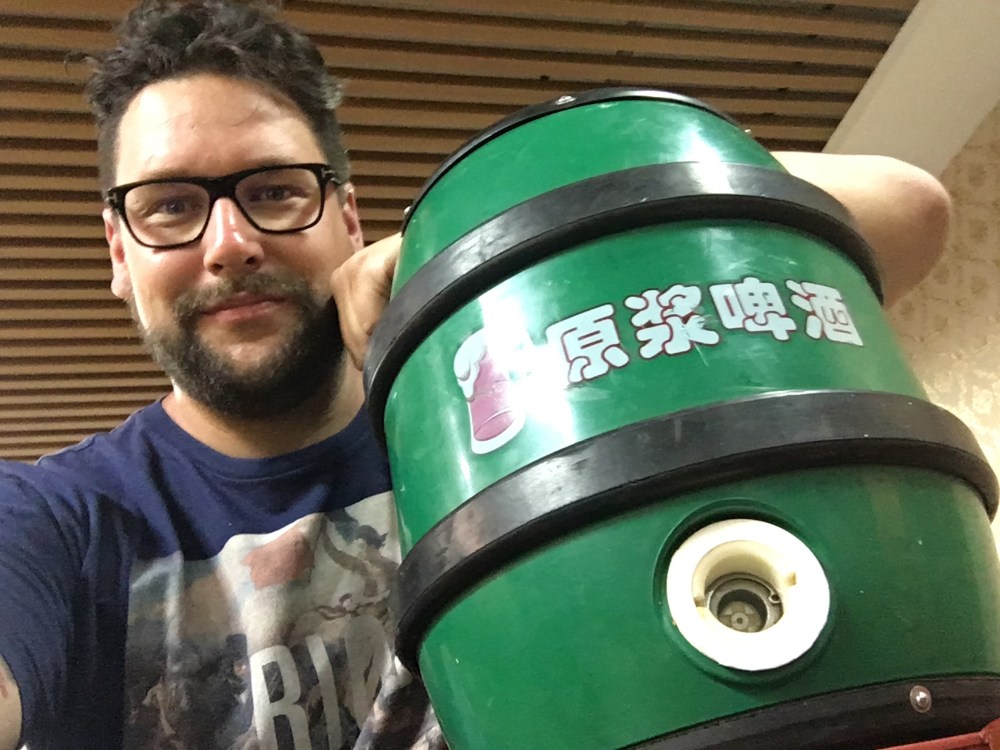 We spent most of the days checking out the studios, and before that, another key location some two hours drive away from the center. In the evening, the production got this idea that I had once said I really enjoy the Tsingtao beer, that I would like to have a full keg of it. Now, I do love the beer, but honestly, what do I do with a keg of beer in my hotel room? It’s not like I’m going to start drinking alone in my room a keg full of beer and work the next day? But nevertheless, now I have a keg of beer in my room.
Many don’t.
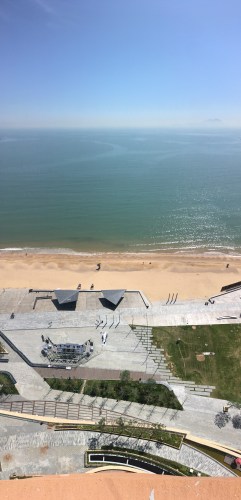
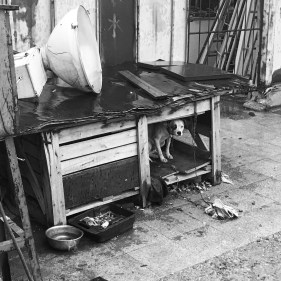 Qingdao trip started off in rather rainy mood. We headed over to scout some of the locations we had already visited; them being namely an abandoned construction site and the mall that’s just below our hotel. After the welcoming dinner, the day started off in rather tired mood, but lightened up as we started to do some practical planning on how we would actually shoot some scenes, what kind of stunts there would be, and discussions of that sort. The most amazing thing about this location is that it has been here for years without anyone taking over the building – but there’s no graffitis on the walls, anywhere! If this was anywhere in Europe, the walls would’ve been filled with tags and colorful art pieces which we would’ve had to cover with art department, but not here in China. There’s one old guy and his tiny dog watching over the construction site, meaning anyone could easily sneak in and do whatever they wanted there. But guess that’s one of the cultural differences we have with Chinese.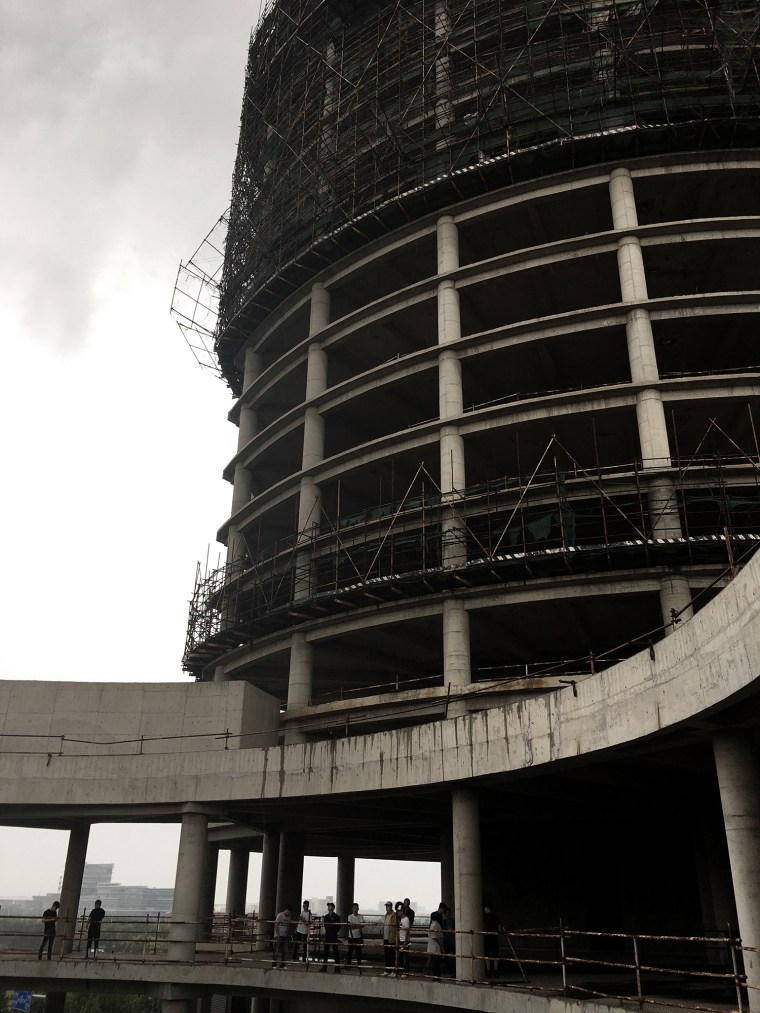
 Our Qingdao welcome was again in this rather seedy little restaurant. Waiting for us were three huge kegs full of Qingdao beer and a round table to be filled with seafood of all imaginable sorts: shellfish, crabs, shells… you name it. Arranged by mr. Zhu, the production manager, a man who loves to eat and have a drink, we were treated royally. As the evening progressed, me and Mika downed endless glasses for each crewmember’s honor, and continued to the adjacent room where the rest of the crew was dining. We got to know the Mongolian propmaster, a man of formidable stature and drinking habits; we got to talk more with our production designer – both of them, Gordon the actual production designer and mr. Wang, the art director, both of whom are great people, just as long as we forget the fact that we don’t really share a common language.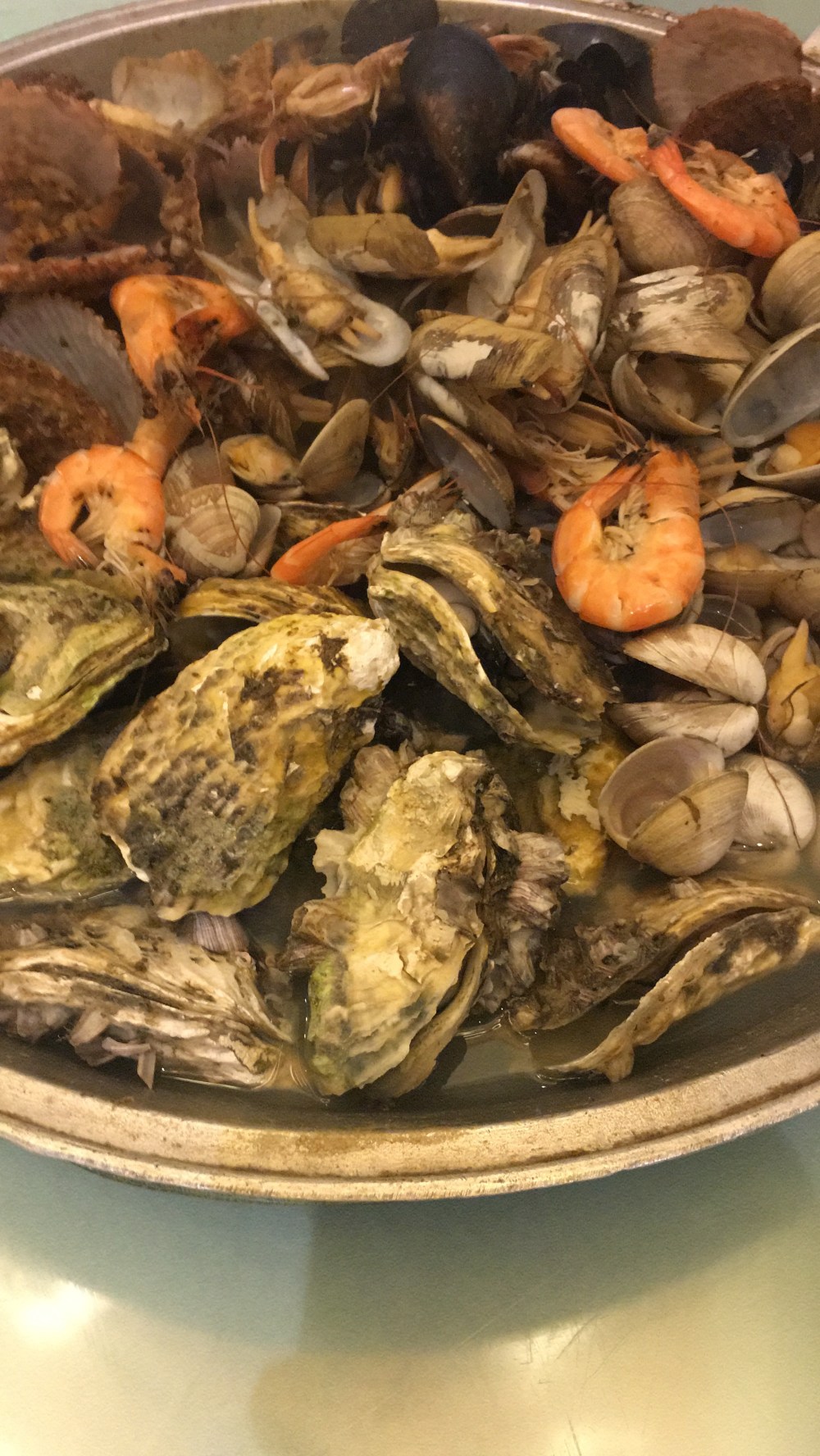


 Vuorensola.com